
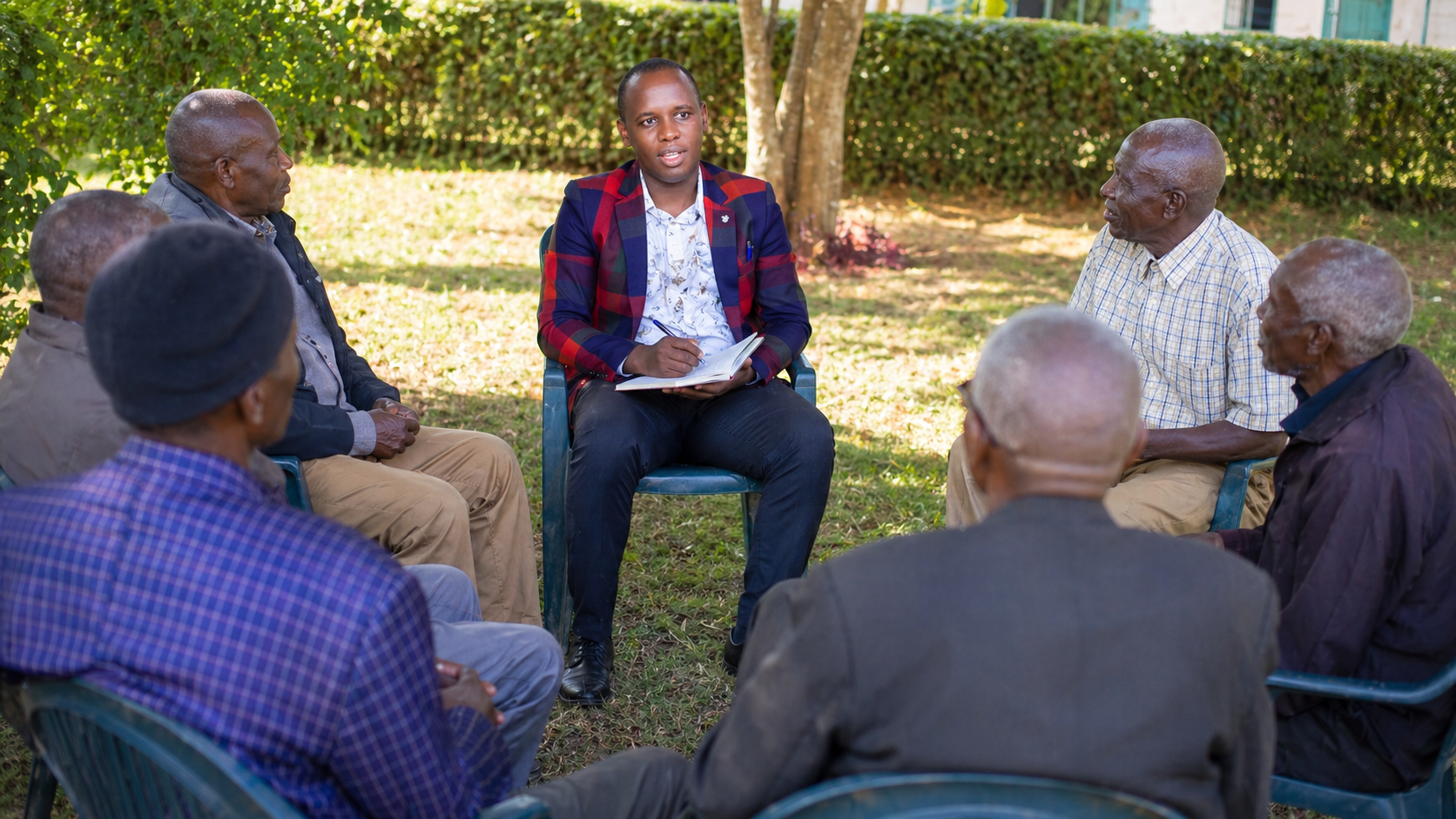
Healing from Emotional Trauma Is Possible
How to Heal from Emotional Trauma;? Emotional trauma can quietly shape how you think, feel, and relate to the world around you. Sometimes, the pain is obvious, triggered by a difficult memory or a recent experience. Other times, it shows up in subtle ways: feeling constantly on edge, emotionally numb, or disconnected from yourself and others.
You may find yourself wondering:
- “Why do I still feel this way?”
- “Why can’t I move on?”
- “Will I ever feel normal again?”
These questions are valid, and many people who have experienced emotional trauma ask the same thing. The truth is, trauma doesn’t just disappear with time,it needs understanding, care, and intentional healing.
What you are feeling is not a sign of weakness. It is a natural response to something that overwhelmed your emotional capacity at the time. Your mind and body are trying to protect you, even if it doesn’t feel that way.
Healing from emotional trauma is possible, but it doesn’t happen all at once. It happens gradually, through awareness, support, and small steps that help you regain a sense of safety and control.
You don’t need to have everything figured out today. You just need to begin.
What Is Emotional Trauma?
Emotional trauma is the psychological response to deeply distressing or overwhelming experiences. It affects your sense of safety, trust, and emotional stability.
Common Sources of Emotional Trauma
- Loss of a loved one
- Toxic or abusive relationships
- Childhood experiences
- Major life changes or stress
- Rejection or betrayal
Trauma is not defined by the event alone, it’s about how deeply it affects you.
Signs You May Be Dealing with Emotional Trauma
Recognizing the signs is the first step toward healing.
Emotional Signs
- Persistent sadness or anxiety
- Feeling overwhelmed easily
- Emotional numbness
- Irritability or mood swings
Mental Signs
- Flashbacks or intrusive thoughts
- Difficulty concentrating
- Negative self-beliefs
- Constant worry or fear
Behavioural Signs
- Avoiding certain places or people
- Withdrawing from relationships
- Difficulty trusting others
- Changes in sleep or appetite
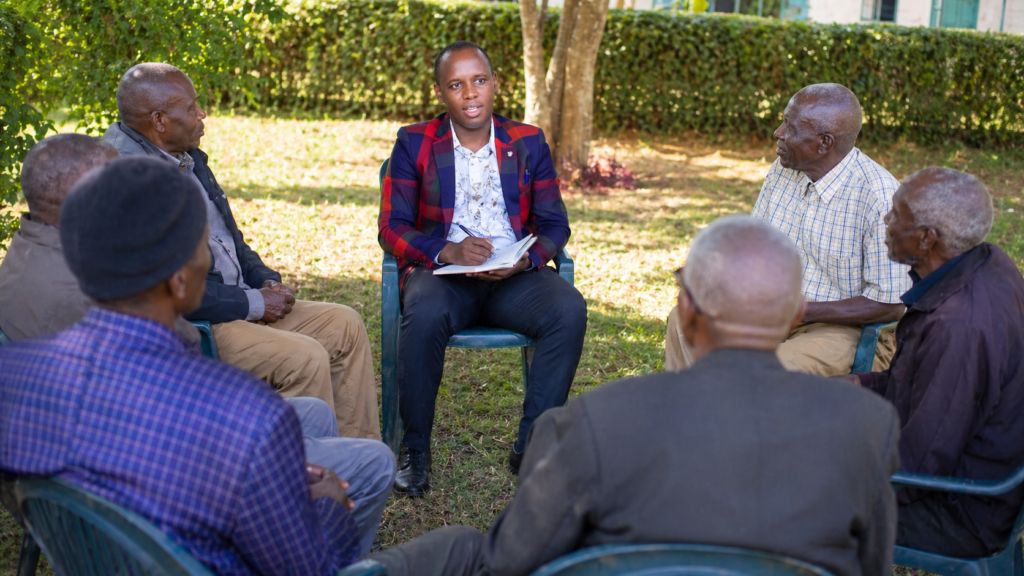
Why Healing from Emotional Trauma Feels Overwhelming
Many people avoid healing because it feels too intense.
Reasons It Feels Hard
- Fear of reliving painful memories
- Not knowing where to start
- Feeling alone in your experience
- Trying to “fix everything at once”
Healing can feel overwhelming when you rush it. But when you take it step by step, it becomes manageable.
How to Heal from Emotional Trauma Without Feeling Overwhelmed
Healing is not about doing everything at once, it’s about taking small, meaningful steps.
1. Start with Awareness and Acceptance
Acknowledge what you’ve been through without minimizing your experience.
Healing begins when you stop ignoring your pain and start understanding it.
2. Take It One Step at a Time
You don’t need to heal everything today. Focus on small progress rather than perfection.
Ask yourself: “What is one small thing I can do today to feel better?”
3. Create Emotional Safety
Find safe spaces where you can express yourself without fear or judgment.
This could be:
- Talking to a trusted person
- Writing your thoughts
- Spending time in a calm environment
4. Learn to Manage Your Emotions
Strong emotions are part of trauma healing. Instead of avoiding them, learn how to manage them.
Simple techniques include:
- Deep breathing
- Grounding exercises
- Mindfulness
5. Reconnect with Yourself
Trauma can make you feel disconnected from who you are.
Start reconnecting by:
- Doing things you enjoy
- Reflecting on your values
- Spending time alone in a positive way
6. Set Healthy Boundaries
Protecting your emotional space is essential.
This means:
- Saying no when necessary
- Limiting toxic interactions
- Prioritizing your well-being
7. Be Patient with Yourself
Healing takes time. There will be good days and difficult days.
Progress is not always linear and that’s okay.

What to Avoid During Trauma Healing
Some habits can slow down your healing process.
Avoid These Common Mistakes
- Ignoring or suppressing your emotions
- Isolating yourself completely
- Comparing your healing to others
- Expecting quick results
Healing is personal, your journey is unique.
Simple Daily Practices to Support Healing
Consistency matters more than intensity.
Daily Habits That Help
- Journaling your thoughts
- Taking short walks
- Practicing gratitude
- Resting when needed
- Limiting stress where possible
These small actions build emotional strength over time.
When Should You Seek Professional Help?
Sometimes, healing requires more support.
Signs You Need Help
- Trauma is affecting your daily life
- You feel stuck or overwhelmed
- You struggle with relationships
- You experience ongoing anxiety or sadness
Seeking help is a strong and positive step.
How Counselling Can Help You Heal
Professional counselling provides guidance, support, and tools to help you process trauma safely.
How Counselling Can Help You Heal
Healing from emotional trauma can feel overwhelming when you try to do it alone. This is where counselling becomes a powerful and supportive tool. It provides a safe, structured, and non-judgmental space where you can begin to understand and process your experiences.
1. A Safe Space to Be Heard
One of the most important aspects of counselling is having a space where you can speak freely without fear of judgment.
Many people carry trauma silently because they feel misunderstood or afraid of being judged. In counselling, you are listened to with empathy, respect, and confidentiality.
Being heard alone can be deeply healing.
2. Understanding the Root of Your Trauma
Sometimes, you may not fully understand why you feel the way you do. A counsellor helps you explore your experiences and identify the root causes of your emotional pain.
This understanding can help you:
- Make sense of your reactions
- Reduce confusion and self-blame
- Begin to see your experiences more clearly
3. Learning Healthy Coping Strategies
Trauma can affect how you respond to stress, relationships, and emotions.
Counselling equips you with practical tools such as:
- Emotional regulation techniques
- Stress management skills
- Healthy ways to respond to triggers
These tools help you feel more in control of your emotions and reactions.
4. Rebuilding Trust and Confidence
Emotional trauma often affects trust, both in others and in yourself.
Through counselling, you can begin to:
- Rebuild confidence in your decisions
- Develop healthier relationships
- Feel safer in emotional connections
5. Processing Pain Without Feeling Overwhelmed

A key benefit of counselling is that healing happens at your own pace.
A trained counsellor guides you through difficult emotions in a way that feels manageable, not overwhelming.
You don’t have to relive everything at once. You process your experiences step by step.
6. Supporting Long-Term Healing
Healing is not just about feeling better today, it’s about building emotional strength for the future.
Counselling helps you:
- Develop resilience
- Understand your emotional patterns
- Create a healthier, more balanced life
Important Reminder
Seeking counselling is not a sign of weakness, it is a step toward strength, clarity, and healing.
Conclusion: Healing Is a Journey, Not a Race
Healing from emotional trauma may feel difficult, but it is possible. You don’t have to rush the process or have everything figured out.
Take it one step at a time. Be patient with yourself. And most importantly, remember that your past does not define your future.
You deserve healing, peace, and a renewed sense of self.
CTA
If you are struggling with emotional trauma, Pragma Counsellors is here to support you. You don’t have to go through this journey alone, reach out today and begin your healing process.
FAQs about How to Heal from Emotional Trauma
Q1: How long does it take to heal from emotional trauma?
Healing from emotional trauma is different for everyone. Some people begin to feel better within a few weeks, while others may take months or longer. The timeline depends on factors such as the type of trauma, your support system, and the steps you take toward healing. What matters most is consistent progress, not speed.
Q2: Can emotional trauma go away on its own?
In some cases, the intensity of trauma may reduce over time. However, unresolved trauma often remains in the background and can affect your thoughts, emotions, and relationships. Actively addressing trauma through self-awareness or counselling can lead to deeper and more lasting healing.
Q3: What is the first step in healing emotional trauma?
The first step is acknowledging that you have been affected. Many people try to ignore or minimize their pain, which can delay healing. Accepting your experience and allowing yourself to feel is the beginning of recovery.
Q4: Is it normal to feel overwhelmed during healing?
Yes, it is completely normal. Healing involves facing emotions you may have avoided for a long time. The key is to take it slowly and seek support when needed so that the process feels manageable.
Q5: Can I heal from trauma without counselling?
Some people are able to heal through self-help strategies, supportive relationships, and personal growth. However, counselling can provide professional guidance, structure, and deeper emotional support, making the healing process more effective and less overwhelming.
Q6: How do I know if I need professional help?
You may benefit from counselling if:
- You feel stuck or unable to move forward
- Your emotions feel overwhelming
- Trauma is affecting your daily life or relationships
- You experience anxiety, sadness, or emotional numbness
Seeking help early can prevent the problem from becoming more difficult over time.
