Toxic Relationship Signs in Kenya!??
You keep defending your relationship to everyone.
Your friends are worried.
Your family keeps asking if you are okay.
Yet deep down, you still tell yourself:
“Maybe all relationships are hard.”
I used to think toxic relationships always looked dramatic. Screaming. Fighting. Doors banging. The kind of scenes you see in TV shows.
Then one client changed my thinking completely.
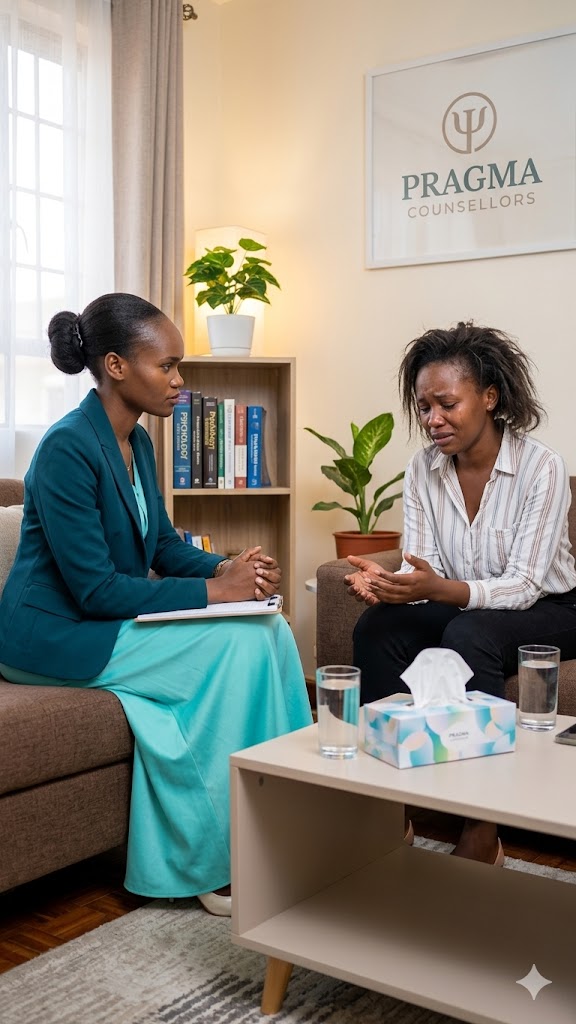
She sat quietly in my office twisting her fingers and said:
“He never insults me directly. He just makes me feel stupid every day.”
That sentence hit me hard.
Because toxic relationships are sneaky.
Sometimes they arrive dressed as love.
Sometimes they sound like “I care about you too much.”
Sometimes they hide behind religion, culture, marriage pressure, or money.
And honestly? I think many people in Kenya are sitting in unhealthy relationships without realizing the emotional damage happening slowly inside them.
This guide will help you spot the warning signs before your peace, confidence, mental health, and identity completely disappear.
What Is a Toxic Relationship?
A toxic relationship is a relationship that consistently drains your emotional energy, damages your self-worth, creates fear, or makes you feel emotionally unsafe.
Every couple argues.
That is normal.
Every marriage has difficult seasons.
That is also normal.
Toxicity is different.
Toxic relationships make you feel emotionally exhausted more often than emotionally supported.
I usually tell clients this:
“If your relationship feels like emotional survival every day, something is wrong.”
That simple sentence helps many people finally admit what they already know inside.
1. You Feel Nervous Around Your Partner
This is one of the clearest signs of a toxic relationship.
You overthink simple conversations.
You rehearse messages before sending them.
You hide certain topics because you fear conflict.
You apologize constantly just to keep peace.
I once worked with a man who admitted he waited outside his house for twenty minutes after work just to mentally prepare for his girlfriend’s mood.
That relationship had turned home into stress.
Your body notices emotional danger before your mind fully accepts it.
That is why some people in toxic relationships:
- feel stomach pain
- develop headaches
- struggle to sleep
- feel anxious before phone calls
A healthy relationship should not feel like preparing for an exam every single day.
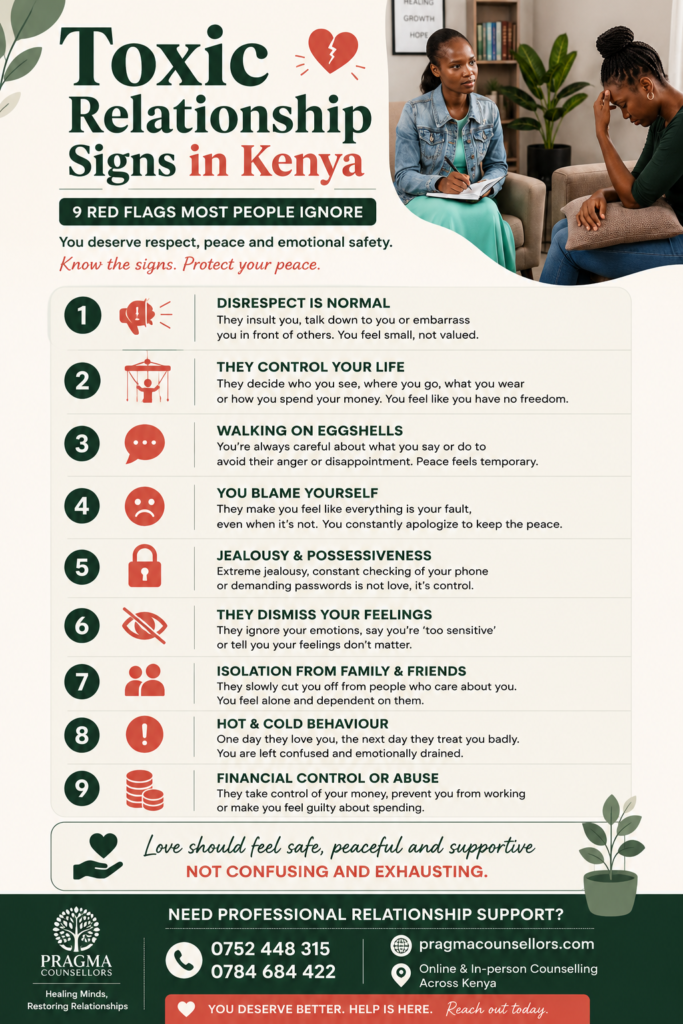
Signs You Are Walking on Eggshells
- You fear saying the wrong thing
- You constantly monitor their mood
- You hide your true opinions
- You feel relief when they leave the room
I’ve found that many people ignore these signs because there is no physical violence.
Big mistake.
Emotional fear still damages mental health.
2. Your Confidence Has Slowly Disappeared
This one breaks my heart because it happens quietly.
Before the relationship, you felt confident.
You laughed freely.
You posted photos.
You had dreams.
Then little comments started.
“You are too emotional.”
“You are lucky I stay with you.”
“Nobody else would handle your behavior.”
At first, it sounds like small criticism.
Then eventually your self-esteem collapses.
I remember counselling a young woman from Nakuru who stopped attending social events because her boyfriend constantly mocked her appearance.
After months of criticism, she genuinely believed she was unattractive.
That is emotional damage.
And honestly, people who constantly humiliate their partners usually know exactly what they are doing.
Emotional Abuse Often Sounds Like:
- “You are overreacting.”
- “You are too sensitive.”
- “You embarrass me.”
- “You cannot survive without me.”
A loving partner corrects you with respect.
They do not destroy your dignity.
3. They Control Everything and Call It Love
This behavior is extremely common.
Especially in relationships where jealousy is romanticized.
Personally, I think extreme jealousy is one of the most misunderstood red flags in Kenya.
Some people call it passion.
I call it emotional control.
It starts small.
“Who are you texting?”
“Why are you wearing that?”
“Your friends influence you badly.”
Then slowly:
- your friendships disappear
- your social life shrinks
- your freedom reduces
- your privacy disappears
One client told me her boyfriend checked her phone every single night before sleep.
He called it transparency.
I called it surveillance.
Healthy relationships still allow individuality.
You should still have:
- personal space
- trusted friendships
- hobbies
- opinions
- privacy
A relationship should add to your life.
It should not become your entire prison.
4. You Feel Tired All the Time
Toxic relationships are exhausting.
Emotionally exhausting.
Physically exhausting.
Mentally exhausting.
You wake up tired even after sleeping.
Why?
Because your nervous system stays alert all the time.
Your brain keeps scanning for emotional danger.
You overthink conversations.
You replay arguments in your head.
You worry constantly.
I had a season years ago where stress gave me terrible migraines. I kept blaming work until I realized a draining friendship was emotionally consuming me every day.
Sometimes relationships affect the body more than people realize.
Common Physical Signs of Emotional Stress
- headaches
- panic attacks
- appetite changes
- chest tightness
- poor sleep
- low energy
And sadly, many people normalize this.
They think suffering proves love.
I completely disagree.
5. Every Argument Somehow Becomes Your Fault

This pattern confuses many people.
You raise a concern.
Then suddenly you are defending yourself instead.
You say:
“You hurt me.”
They reply:
“So now I’m the bad person?”
Or:
“You always create problems.”
Or:
“If you respected me, I would not react like that.”
That is manipulation.
Toxic partners often avoid accountability by creating confusion.
One client once told me:
“I enter arguments feeling angry and leave feeling guilty even when I was right.”
That sentence perfectly describes emotional manipulation.
Healthy adults take responsibility.
Toxic people twist conversations until you question your own reality.
A Quick Question
Do you constantly leave arguments feeling:
- confused?
- guilty?
- mentally drained?
- emotionally small?
If yes, pay attention.
6. You Feel Lonely Inside the Relationship
This is one of the saddest parts of toxic relationships.
You are with someone.
But emotionally, you feel completely alone.
Your feelings are dismissed.
Your struggles are ignored.
Your emotional needs feel inconvenient.
Many people in toxic marriages describe this exact experience.
Especially couples who only communicate about:
- bills
- chores
- children
- problems
The emotional connection disappears.
Then eventually the relationship starts feeling like survival partnership instead of emotional partnership.
I think emotional neglect is one of the most overlooked forms of relationship pain.
Because there are no bruises.
But emotionally?
The damage becomes deep.
7. They Keep Apologizing but Never Change
This cycle traps many good people.
The pattern usually goes like this:
- They hurt you
- You confront them
- They apologize emotionally
- They promise change
- Things improve briefly
- The same behavior returns
Repeated apologies without changed behavior are empty.
I know that sounds harsh.
But I’ve watched people waste years believing promises instead of observing patterns.
One man told me his girlfriend had apologized for insulting him “more than fifty times.”
Yet the behavior never stopped.
An apology without change eventually becomes manipulation.
Honestly, I’ve found that many toxic relationships survive because hope keeps overriding reality.
8. Your Mental Health Is Getting Worse
This part deserves serious attention.
Toxic relationships can trigger:
- anxiety
- depression
- emotional numbness
- panic attacks
- low self-esteem
- trauma symptoms
And sadly, many people stay silent.
Especially men.
Many Kenyan men are taught to suppress emotional pain.
So instead of seeking help, they:
- isolate themselves
- drink heavily
- become emotionally withdrawn
- explode in anger
I strongly believe relationship stress contributes to many silent mental health struggles in Kenya.
And honestly?
Telling people to simply “pray harder” while ignoring emotional abuse is irresponsible.
Faith matters.
Counselling also matters.
Both can exist together.
9. You Keep Making Excuses for Their Behavior
This sign surprises many people.
You become your partner’s public defender.
You explain away every bad behavior.
“He is just stressed.”
“She had a difficult childhood.”
“He drinks because of pressure.”
“She only acts like this when angry.”
I understand compassion.
Life can genuinely wound people.
But repeated harmful behavior still causes damage.
A painful background explains behavior.
It does not excuse emotional harm forever.
I once ignored red flags in a friendship because I kept telling myself, “They are just going through a hard season.”
Three years later, I realized I had normalized disrespect.
That lesson humbled me badly.
The Real Talk: Why Leaving a Toxic Relationship Is Hard
Leaving sounds easy online.
Real life is different.
Very different.
People stay because:
- children are involved
- finances are connected
- culture pressures them
- religion pressures them
- fear of loneliness feels overwhelming
- the relationship still has occasional good moments
That last point confuses many people.
Toxic relationships are rarely terrible every single day.
There are moments of love.
Moments of laughter.
Moments of kindness.
That inconsistency creates emotional attachment.
And honestly?
Some people confuse emotional chaos with passion.
A peaceful relationship can feel unfamiliar to someone used to drama.
I’ve found that social media also worsens this problem.
Some unhealthy relationship behaviors are now celebrated online as “obsession,” “protectiveness,” or “deep love.”
Personally, I think that mindset destroys emotional health.
How to Start Healing From a Toxic Relationship

Healing does not happen overnight.
Start small.
Very small.
1. Talk to Someone Safe
Isolation makes toxic relationships stronger.
Talk to:
- a counsellor
- trusted friend
- mentor
- pastor
- support group
Outside perspective helps you think clearly again.
2. Rebuild Your Identity
Many people lose themselves inside unhealthy relationships.
Reconnect with:
- hobbies
- goals
- friendships
- routines
- faith
- personal dreams
Healing often begins by remembering who you were before the emotional damage.
3. Set Boundaries
Boundaries protect emotional health.
That may include:
- refusing disrespect
- limiting communication
- protecting your privacy
- saying no without guilt
I used to think boundaries were rude.
Now?
I think poor boundaries destroy mental peace faster than almost anything else.
Bonus Tip: Stop Romanticizing Suffering
This may sound blunt.
But somebody needs to say it.
Constant emotional pain is not proof of deep love.
A relationship should not regularly destroy your peace.
Struggle is part of life.
Emotional destruction should not become normal.
Helpful Books and Mental Wellness Tools
Some people find these resources helpful during emotional healing and recovery:
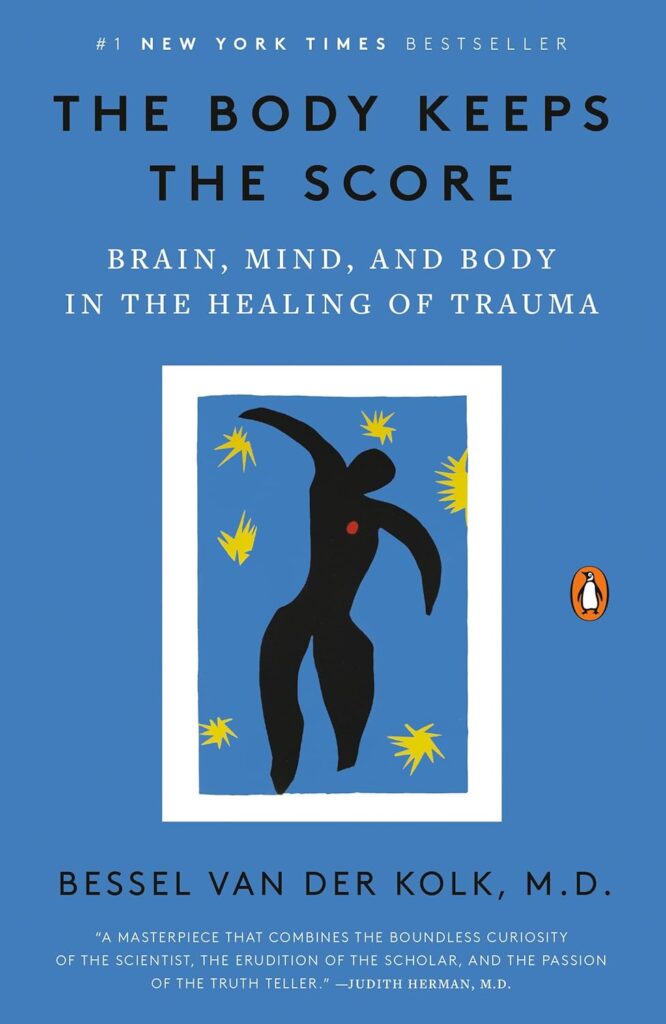
- The Body Keeps the Score by Bessel van der Kolk
- Attached by Amir Levine
- Adult Children of Emotionally Immature Parents by Lindsay Gibson
- Guided Self-Esteem Journal
- Anxiety Relief Workbook
Amazon Affiliate Suggestions:
- Relationship communication journals
- Stress relief coloring books
- Therapy workbooks
- Sleep support products
Personally, I think expensive “relationship hacks” online are often a waste of money.
Simple emotional honesty usually helps more.
Frequently Asked Questions
Can a toxic relationship become healthy?
Yes.
But genuine change requires accountability, consistency, and effort from both people.
One person cannot heal the relationship alone.
Is jealousy a sign of love?
Small jealousy is human.
Extreme control, monitoring, and isolation are unhealthy.
Can toxic relationships cause anxiety?
Absolutely.
Long-term emotional stress affects both the mind and body.
Should I stay because of children?
Children are deeply affected by unhealthy emotional environments.
Peaceful parenting matters.
When should I seek counselling?
Seek support when the relationship consistently affects your:
- peace
- confidence
- sleep
- emotions
- mental health
- daily functioning
Final Thoughts
A healthy relationship should feel emotionally safe.
Safe enough for honesty.
Safe enough for mistakes.
Safe enough for growth.
You should not constantly feel afraid, drained, controlled, confused, or emotionally invisible.
I’ve watched many people completely transform after finally admitting the truth about their relationships.
Healing takes time.
But clarity changes everything.
If this article describes your situation, please know you are not weak for seeking help.
You deserve emotional peace too.
Have you noticed any of these warning signs in your relationship or someone close to you?
Share your thoughts, questions, or experiences in the comment section below. Your story may encourage someone else who feels trapped and alone.
Need Professional Relationship Counselling in Kenya?
At Pragma Counsellors, we provide confidential support for:
- toxic relationships
- emotional abuse
- marriage struggles
- anxiety and depression
- grief and loss
- self-esteem challenges
Reach out today and start rebuilding your emotional peace one step at a time.
You are never alone
At Pragma Counsellors we offer professional, confidential and compassionate counselling services in Nairobi and online so you can access support from wherever you are in Kenya.
 Call us: +254 752 448
  Visit us: pragmacounsellors.com
  Find us: Muhoho Avenue, South C, Nairobi
  Email us: contact@pragmacounsellors.com
