
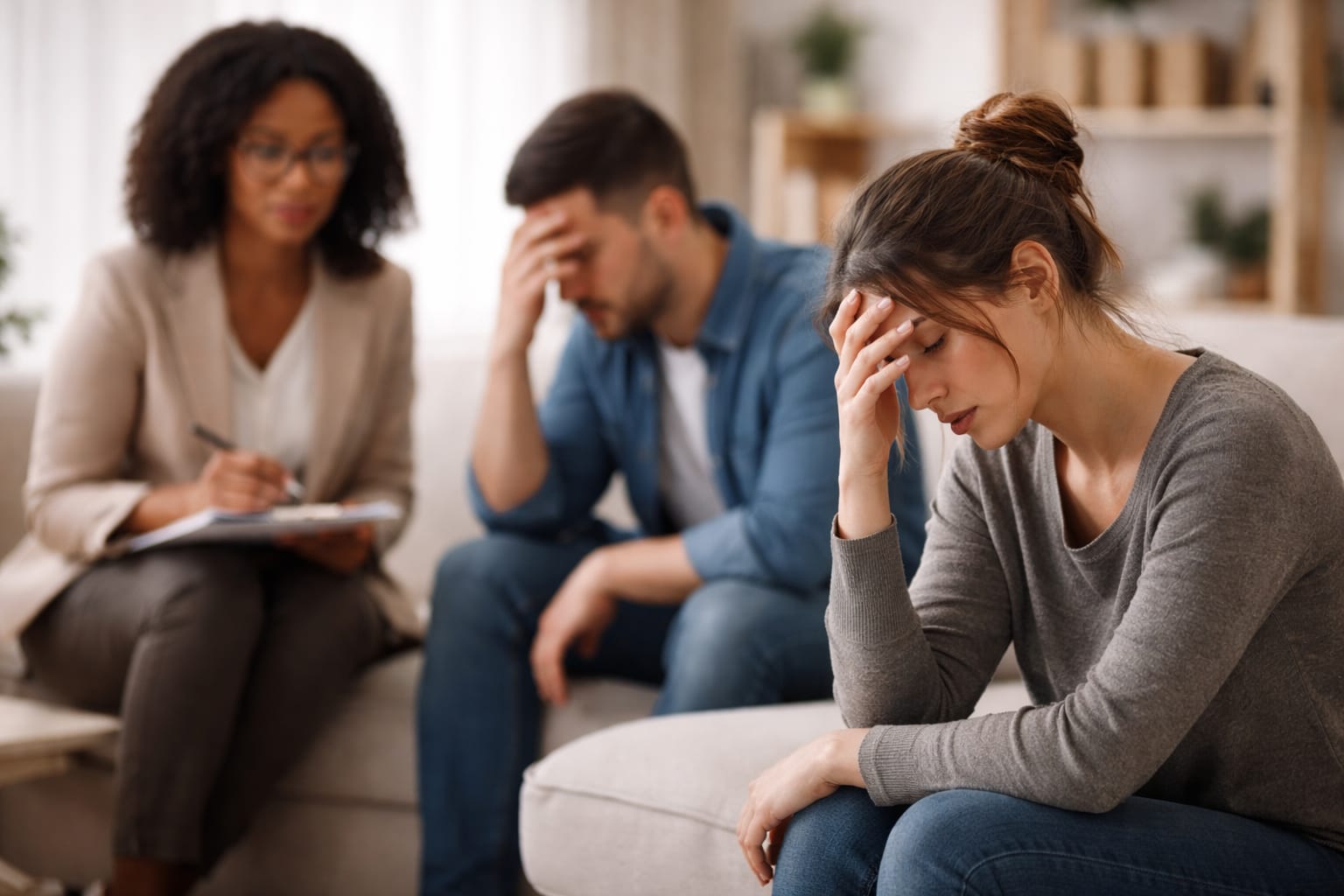
What causes domestic violence in marriage is a heavy topic, but it is one that needs to be brought into the light. It is a serious issue that transcends borders, cultures, religions, and economic statuses. When we discuss domestic violence, we are looking at something that affects not just individuals, but the entire fabric of our communities.
Many people, when confronted with the reality of abuse, find themselves asking, “Why does this happen?” The answer is rarely simple. It is rarely a single event or a solitary personality flaw. Instead, domestic violence is usually the result of a complex web of deeply rooted factors. By exploring these causes with empathy and professional insight, we take the first step toward prevention, fostering support, and creating pathways to healing.
What Is Domestic Violence?
At its heart, domestic violence is not just about a heated argument that went too far. It is a consistent pattern of behavior used by one partner to gain or maintain power and control over the other within an intimate relationship.
It is vital to broaden our understanding of what “abuse” actually looks like. It is not limited to physical harm; it encompasses a spectrum of behaviors designed to strip away autonomy and confidence.
The Spectrum of Abuse
- Physical Abuse: Any intentional use of physical force intended to hurt or frighten.
- Emotional or Psychological Abuse: Constant criticism, gaslighting, threats, or humiliation meant to make the partner feel worthless.
- Verbal Abuse: The use of derogatory language, shouting, or insults to demean.
- Financial Control: Restricting access to money, monitoring every expenditure, or preventing a partner from working.
- Social Isolation: Controlling who a partner sees, where they go, or how they spend their time to cut them off from their support system.
Domestic violence is always about power, control, and the imbalance of agency—it is never just about a disagreement or a lack of patience.
Causes of Domestic Violence in Marriage
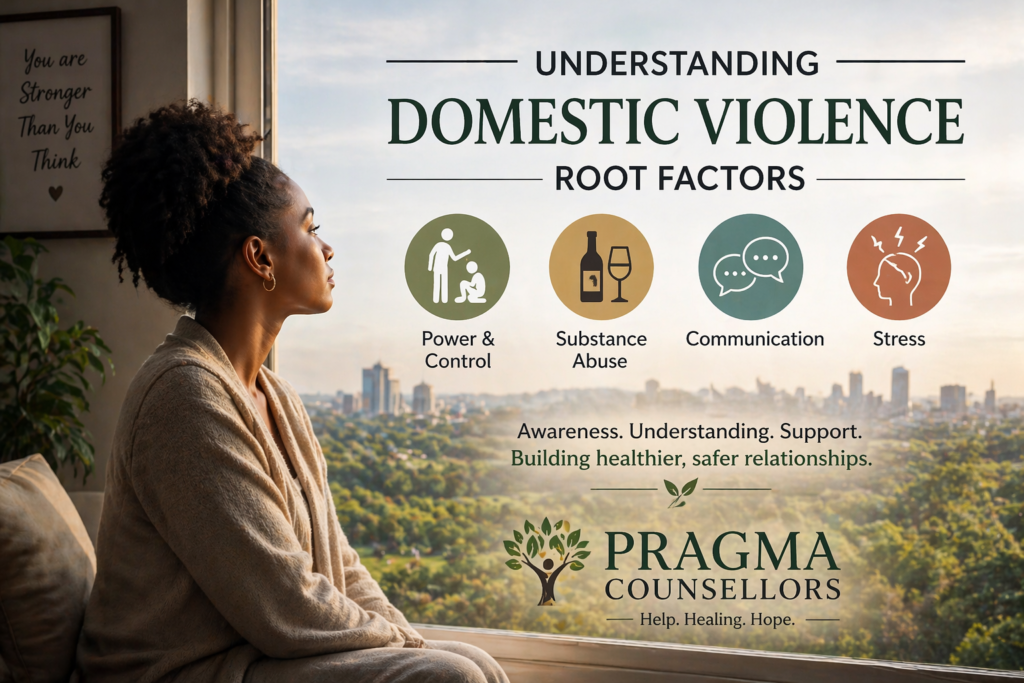
There is no single cause for domestic violence. It is rarely caused by one thing; rather, it is usually a “perfect storm” of several contributing factors intersecting in a person’s life.
1. The Need for Power and Control
This is perhaps the most fundamental driver. Some individuals enter a marriage with a deep-seated belief that they are entitled to dominance. This desire for control often stems from their own insecurities or a worldview that relationships are hierarchical rather than partnerships. When they feel their control slipping, they may use intimidation or manipulation to “restore order.”
2. Poor Communication and Conflict Resolution
We often find that couples who struggle with domestic violence lack the tools to communicate effectively. When individuals have not learned how to express their vulnerability, fears, or needs, these emotions can fester. Instead of saying, “I feel hurt when you do that,” they might resort to aggression because they do not have the vocabulary or the emotional maturity to handle the tension differently.
3. Exposure to Violence in Childhood
We are shaped by what we witness. Individuals who grew up in households where violence was the “language” used to solve problems often internalize this as normal behavior. They may subconsciously believe that aggression is a natural part of a relationship, or they may have learned to suppress their own needs to survive, only to repeat the cycle as adults.
4. Financial Stress and Pressure
Economic hardship acts as an accelerant. When a family is struggling to put food on the table, pay rent, or manage school fees, the baseline stress level is incredibly high. While financial stress does not cause abuse, it creates an environment where frustration is easily redirected toward a partner, especially if the couple lacks healthy coping mechanisms.
5. Substance Abuse
Alcohol and drugs act as disinhibitors. They impair judgment, lower emotional regulation, and can turn a difficult conversation into a dangerous one. While substances are not an excuse for abuse, they often exacerbate existing tendencies toward anger or impulsive behavior.
6. Mental Health Challenges
Untreated conditions such as depression, anxiety, personality disorders, or PTSD can affect a person’s ability to regulate their emotions. When an individual lacks the capacity to manage their internal emotional state, they may look for external outlets, sometimes leading to harmful behaviors toward their spouse.
7. Cultural and Social Norms
In many parts of the world, rigid beliefs about gender roles can unintentionally fuel abuse. If society teaches that one gender is inherently “superior” or “entitled to obedience,” this can create a landscape where controlling behavior is minimized, ignored, or even culturally excused.
Why Domestic Violence Persists Globally
Domestic violence is a global crisis because it thrives in silence. It is not limited to any specific region or culture. When we look at why it happens across the world, we see shared systemic problems:
- Social Acceptance: In many communities, there is a “don’t air your dirty laundry” culture that keeps abuse hidden behind closed doors.
- Lack of Education: Many people grow up without ever learning what a “healthy” relationship looks like, making it difficult to spot the red flags early.
- Limited Access to Support: In many areas, victims are trapped because they lack the financial means or the social support services (shelters, counselling, legal aid) to safely leave.
- Gender Inequality: Where power is significantly imbalanced in society, that imbalance inevitably seeps into the home.
The Effects on Individuals and Families
The ripple effects of domestic violence are devastating and long-lasting.
Emotional and Psychological Effects
Victims of abuse often live in a state of “hyper-vigilance”—their nervous system is always on edge, waiting for the next conflict. This leads to profound levels of anxiety, depression, and a shattered sense of self-worth. Many individuals start to doubt their own reality, a hallmark of psychological abuse.
Impact on Families
Domestic violence creates a toxic environment for everyone in the home. Children who witness violence are often “silent victims.” Even if they are not physically hurt, they learn that love involves fear. This can lead to long-term emotional challenges, behavioral issues, and the tragic likelihood that they may repeat these patterns in their own future relationships.
How to Prevent Domestic Violence in Marriage
Prevention is possible, but it requires a conscious, ongoing effort from both partners and society at large.
- Promote Healthy Communication: Learn to state your needs clearly and listen to your partner without defensiveness.
- Educate on Boundaries: A healthy relationship thrives on mutual respect for each other’s time, privacy, and feelings.
- Emotional Awareness: Encourage a culture where it is okay to say, “I am feeling overwhelmed and need a moment to breathe.”
- Early Intervention: Do not wait for a small disagreement to become a major incident. Seek help when tensions start to rise.
When Should You Seek Help?
If you ever feel unsafe in your own home, please prioritize your physical safety above all else. You do not need to wait for physical violence to occur before you decide that things are not okay.
Signs you should not ignore:
- You feel like you are “walking on eggshells” to avoid angering your partner.
- You are being isolated from your friends, family, or support systems.
- Your partner constantly criticizes you, demeans you, or makes you feel “crazy.”
- You are afraid of your partner’s reactions.
Reaching out for help is not a sign of failure—it is a sign of immense strength and a commitment to your own well-being.
How Counselling Helps in Addressing Domestic Violence
Counselling provides a neutral, non-judgmental space to untangle the complexities of your relationship.
Benefits of Counselling
- A Safe Space: We offer a confidential environment where you can express your fears without fear of retaliation.
- Understanding Patterns: A counsellor can help you identify why certain cycles of behavior keep happening and how to break them.
- Communication Tools: We teach practical strategies for conflict resolution and emotional regulation.
- Emotional Healing: We support you as you process the trauma of the past and build a vision for a healthier future.
Note: In cases where there is immediate physical danger, safety planning and involving local authorities is the first priority. Counselling is a partner in the process of recovery and safety.
Conclusion: Building Safer and Healthier Relationships
Domestic violence in marriage is a complex, painful reality, but it is not an insurmountable one. By addressing the root factors—such as communication challenges, stress, and learned behaviors—we can begin to build healthier and more respectful lives.
No one deserves to feel unsafe in their relationship. You are worthy of a partnership that is built on trust, respect, and mutual support. If you are struggling, please remember that you do not have to carry this burden alone.
CTA: If you or someone you know is struggling in a relationship, Pragma Counsellors is here to help. We offer a safe, confidential space to navigate these difficult waters. Reach out today and take the first step toward a safer and healthier future for yourself and your loved ones.
Frequently Asked Questions: about Causes Domestic Violence in Marriage
Q1: What are the main causes of domestic violence in marriage? Domestic violence is rarely caused by a single factor. Common causes include a desire for power and control, poor communication skills, exposure to violence in childhood, financial stress, substance abuse, and untreated mental health challenges.
Q2: Is domestic violence only physical? No. Domestic violence includes a wide range of behaviors, including emotional, psychological, verbal, and financial abuse. Any pattern used to control or demean a partner is a form of domestic violence.
Q3: Can counselling help with domestic violence? Yes, professional counselling can be a vital part of the recovery process. It provides a safe space for individuals to understand relationship dynamics, learn healthy communication tools, and heal from emotional trauma.
Q4: What should I do if I feel unsafe? If you feel physically or emotionally unsafe, please prioritize your safety immediately. Reach out to trusted family members, friends, local support services, or emergency authorities. You deserve to be in a safe environment.
