
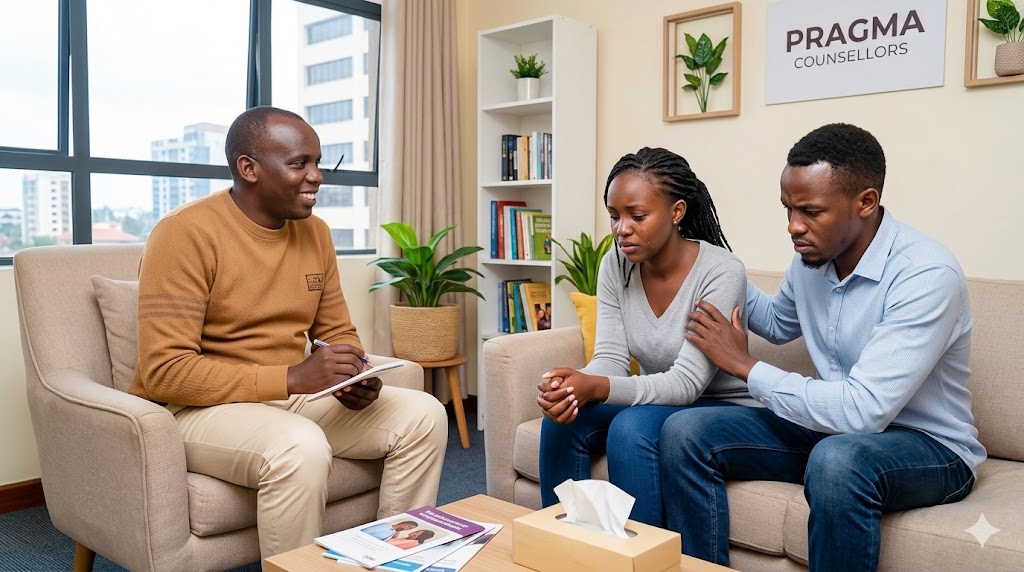
Dealing with betrayal in marriage is an incredibly painful experience. Whether it’s emotional betrayal, a physical affair, or repeated dishonesty, the hurt runs deep and can leave you feeling broken and lost. Many people struggle to understand how to move forward, how to heal, or even how to trust again. But Coping with a Cheating Spouse is not about carrying the blame it’s about protecting your well-being, making empowered decisions, and choosing a path that leads to peace.
This guide offers 10 supportive ideas to help you through the process of recovery with strength, dignity, and self-respect.
1. Take a Breath Before Reacting
When you first discover or suspect betrayal, emotions like anger, shock, and despair can overwhelm you. While it may feel natural to lash out, taking immediate action in a state of emotional chaos can lead to regrets. Instead, pause and give yourself space to breathe before confronting your spouse.Coping with a Cheating Spouse starts with slowing down enough to think clearly about your next step.
2. Protect Your Emotional Health
The initial days after finding out can feel like an emotional storm. To avoid sinking deeper, focus on protecting your mental health. This may include journaling, practicing mindfulness, or speaking to a trusted friend who can help you stay grounded. Healing after infidelity begins with small acts of self-care. Remember,Coping with a Cheating Spouse means recognizing that your feelings are valid and deserve attention.
3. Seek the Truth Without Obsession
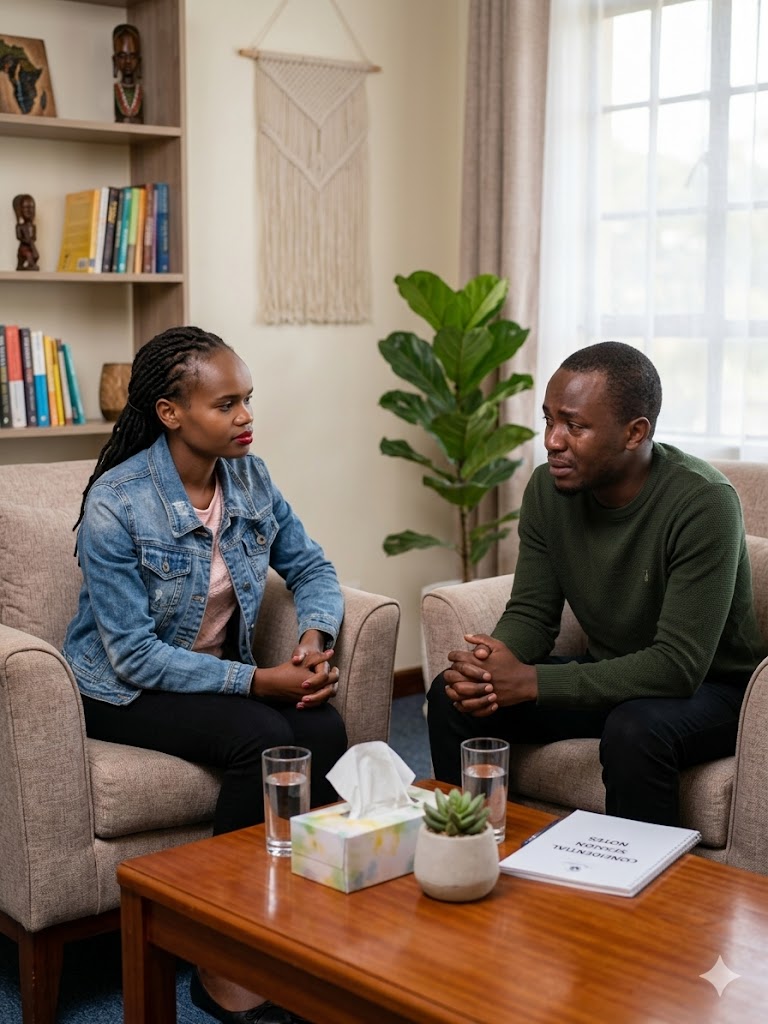
It’s natural to want answers, but chasing every detail of the affair can keep you stuck in pain. Decide how much information you truly need to process the betrayal. Ask direct questions if necessary, but set boundaries around how much you’re willing to hear. Obsessing over every fact can delay healing. Coping with a Cheating Spouse requires knowing when enough truth is enough.
4. Speak Your Truth with Calm Strength
At some point, you’ll need to have an honest conversation with your spouse. Approach the discussion calmly and use “I” statements, such as “I feel betrayed” or “I need honesty to decide what comes next.” Expressing your feelings clearly, without threats or begging, helps you stand in your power. Coping with a Cheating Spouse means reclaiming your voice and making your needs known.
5. Coping with a Cheating Spouse:Create a Personal Healing Plan
Regardless of what happens in your marriage, your healing must come first. A personal plan may include therapy, joining a support group, prayer, exercise, or even a temporary change of environment. Many people find that structured self-care helps them rebuild confidence. Coping with a cheating spouse is not just about fixing the relationship it’s about restoring your inner balance and sense of self.
6. Define Your Boundaries and Deal Breakers
Infidelity affects each relationship differently. For some, forgiveness and rebuilding trust are possible; for others, betrayal crosses a line that can’t be undone. Take time to reflect on your values and decide what you can and cannot accept moving forward. Boundaries protect your self-worth. Coping with a Cheating Spouse requires clear lines about what you will tolerate and what you won’t.

7. Lean on a Support Syste
Isolation makes the pain heavier. Whether you talk to a trusted friend, family member, counselor, or spiritual mentor, sharing your burden can lighten the load. People who support you won’t push their own opinions they’ll simply listen and help you feel less alone. Support groups can also connect you with others recovering from an affair. Coping with a cheating spouse becomes more manageable when you have allies by your side.
8. Protect Your Finances and Legal Rights
Even if you’re undecided about the marriage, safeguard your financial and legal future. Quietly consult a lawyer or financial advisor to learn about your rights regarding shared accounts, assets, and custody (if children are involved). This step isn’t about revenge it’s about security. Knowing where you stand gives you peace of mind. Coping with a Cheating Spouse also means making smart, protective choices for your future.
9. Coping with a Cheating Spouse:Decide Whether to Rebuild or Release
Eventually, you’ll face the decision to rebuild the relationship or to let it go. Rebuilding requires transparency, accountability, and consistent effort from your spouse. If you choose to leave, do so with dignity and a plan that supports your independence. Either choice is valid, as long as it protects your well-being. Coping with a cheating spouse is about choosing what brings you peace, not what pleases others.
10. Remind Yourself That You Are Still Whole
Your partner’s betrayal may hurt deeply, but it does not define your worth. You are still valuable, capable, and deserving of love and respect. Grieving the relationship is normal, but don’t lose sight of your strength. Healing after infidelity takes time, but you can emerge wiser and stronger. Coping with a cheating spouse is painful, but it can also be the doorway to rediscovering your inner power.
Frequently Asked Questions
Q1: Should I confront my spouse right away?
It’s best to calm down before speaking. Waiting even a day helps you express yourself with strength rather than uncontrolled emotion.
Q2: Can therapy help us recover after infidelity?
Yes, if both partners are committed. Couples therapy can guide the process of rebuilding trust after betrayal.
Q3: What if my spouse keeps cheating?
Repeated betrayal is emotional abuse. In such cases, coping with a cheating spouse often means choosing to walk away for your peace.
Q4: Should I tell my family about the affair?
Share only with people you trust to support you, not shame you or pressure your decisions.
Q5: How long does healing take after infidelity?
Healing varies some recover in months, others in years. Be patient with yourself and seek help if needed.
Call to Action (CTA)
If you are struggling with the deep pain of betrayal and need a safe, confidential space to process your emotions, Pragma Counsellors is here to support you.
Take the first step toward reclaiming your peace—Book a Session with our professional counselors in Nairobi today.
Final Thoughts
Coping with a cheating spouse is one of the hardest challenges a person can face. It requires courage, self-awareness, and often the strength to make difficult decisions. Whether you decide to stay or leave, your healing and dignity must come first. With time, support, and intentional self-care, you can reclaim your life and move forward with clarity and strength.
