

Why Do I Feel Anxious for No Reason? Have you ever been sitting in a perfectly quiet room, or perhaps just going about your normal morning routine, when suddenly without any warning your chest tightens? Your heart begins to race, your palms sweat, and a sense of impending doom washes over you. You look around, check your situation, and think, “Everything is fine. Why is this happening to me?”
At Pragma Counsellors, we hear this every single day. The feeling of “anxiety for no reason” is one of the most frustrating experiences a person can go through. It feels like your body has been hijacked by an alarm system that is ringing for no apparent fire. But here is the most important thing you need to hear right now: Your feelings are real, and they are valid. Even if you can’t pinpoint a “why,” your brain and body are signaling something that deserves your attention.
Introduction: Understanding the “Invisible” Anxiety
Anxiety is often misunderstood as a direct reaction to something scary like a looming deadline or a difficult conversation. However, anxiety is not always a response to an external event. Sometimes, it is the result of a “full cup.”
Think of your nervous system like a container. Over weeks or months, small stressors an uncomfortable interaction at work, a bad night’s sleep, a skipped meal, or even just the constant scroll of the newsfill that container drop by drop. You might not notice the container filling up, but once it overflows, you feel the physical surge of anxiety. In that moment, there is no “reason” because the cause happened weeks ago, not minutes ago.
Why Do I Feel Anxious for No Reason?
When we say “no reason,” we usually mean there is no obvious trigger. In reality, the causes are often buried under the surface of our daily lives.
Hidden Causes of Anxiety
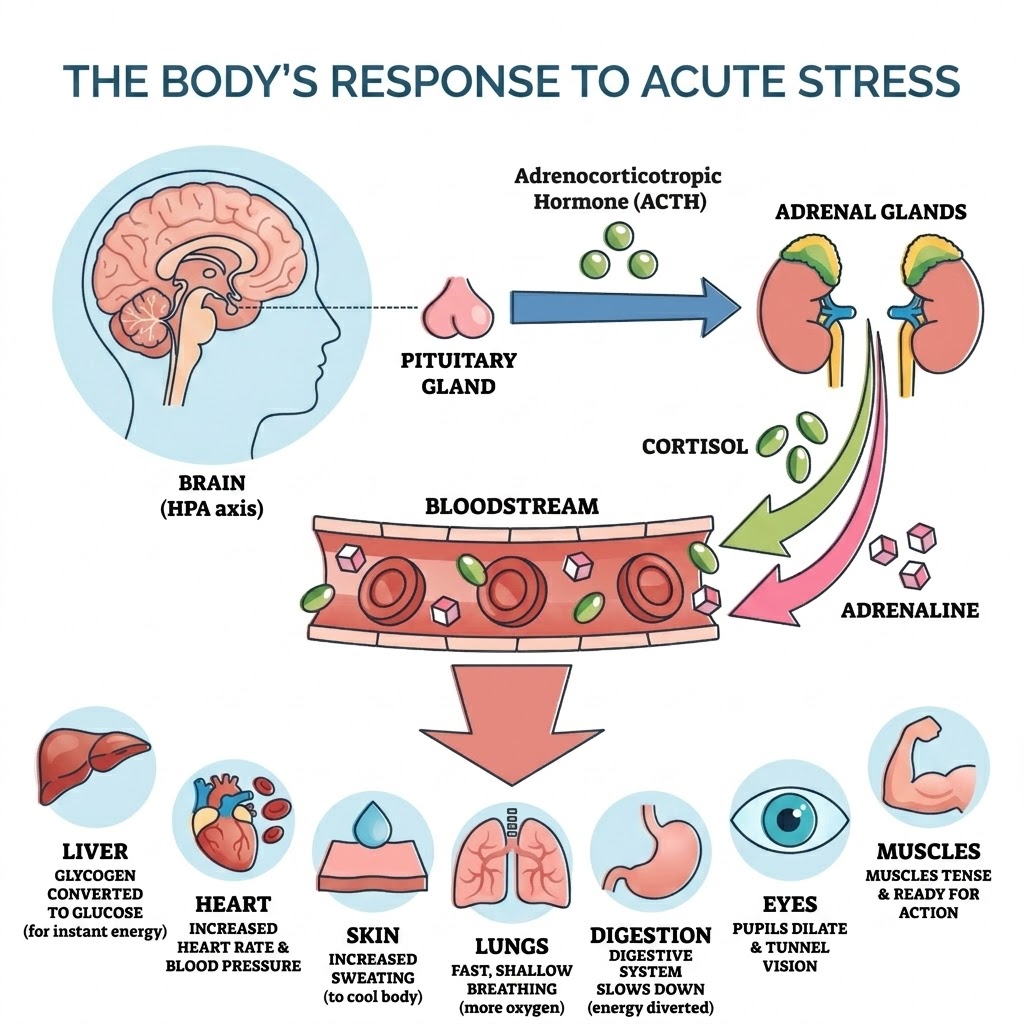
- Chronic Low-Level Stress: We often normalize high levels of stress. If you are constantly in “go” mode, your body produces cortisol and adrenaline. Eventually, your system forgets how to turn off the “fight-or-flight” response.
- The Sleep Debt Cycle: When you don’t get restorative sleep, your brain’s ability to regulate emotions takes a hit. Sleep deprivation mimics the physiological symptoms of anxiety, often triggering a cycle of worry.
- Cognitive Overload: We are processing more information in a single day than our ancestors did in a month. This constant “tab-switching” in our brains keeps us in a state of low-grade, sustained alertness.
- Unprocessed Past Experiences: Sometimes, a current situation reminds your brain unconsciously of a past event that was painful. Your body reacts before your mind even realises what it’s responding to.
- Lifestyle & Biochemistry: High caffeine intake, blood sugar crashes, and a lack of movement can all create the physical sensation of anxiety, which your mind then interprets as “something is wrong.”

Physical Symptoms of Anxiety You Should Not Ignore
Because we often try to “think” our way out of anxiety, we forget that anxiety is first and foremost a physical experience. It is your autonomic nervous system activating to protect you.
Common Physical Symptoms
- Cardiovascular shifts: A racing heart, palpitations, or that “fluttery” feeling in your chest.
- Respiratory changes: Feeling like you cannot get a deep breath or taking short, shallow breaths.
- Muscular Tension: Clenched jaws, tight shoulders, or an ache in your stomach.
- The “Drop”: A sudden feeling of dizziness or lightheadedness, often caused by hyperventilation you didn’t even notice.
- GI Upset: The “butterflies” in your stomach can escalate to nausea or digestive discomfort.
How to Manage Anxiety Naturally: Reclaiming Your Calm
If your anxiety is a physical alarm, your job is to show your body that you are safe. We use the “Bottom-Up” approach here at Pragma Counsellors calming the body first to help the mind follow suit.
Practical Ways to Reduce Anxiety
- The 4-7-8 Breathing Technique: Inhale for 4 seconds, hold for 7, and exhale slowly for 8. The long exhale is the “off switch” for your stress response.
- Audit Your Intake: Caffeine is a stimulant that mimics anxiety. Try tapering down your intake and see if your baseline “jitteriness” decreases.
- Physical Grounding: When the world feels too big, go small. Focus on three things you can touch, two you can hear, and one you can smell. This pulls your brain out of the “future-worrying” loop.
- Scheduled Worry Time: If you find yourself overthinking, give yourself 15 minutes a day to write down everything you are worried about. Outside of that window, tell yourself, “I’ll handle that at 5:00 PM.”
- Talk it Out: We often keep our worries locked inside because we don’t want to “burden” others. But vocalizing a thought often robs it of its power.
When Should You Seek Professional Help?
There is a difference between feeling “a bit anxious” and having an anxiety disorder that limits your life. You don’t have to reach “rock bottom” to justify seeking help.
Signs It’s Time to See a Counsellor
- Avoidance: You stop doing things you enjoy or need to do (like going to the office or social events) because you fear a panic attack.
- Disruption: Your worry is eating into your productivity, your sleep, or your ability to be present with your loved ones.
- Escalation: You feel like your “baseline” is now a state of nervousness rather than peace.
- Feeling Helpless: You have tried the self-help tips, but the physical symptoms remain just as strong.
How Counselling Helps with Anxiety
At Pragma Counsellors, we don’t just tell you to “calm down.” We help you understand the mechanics of your own anxiety.
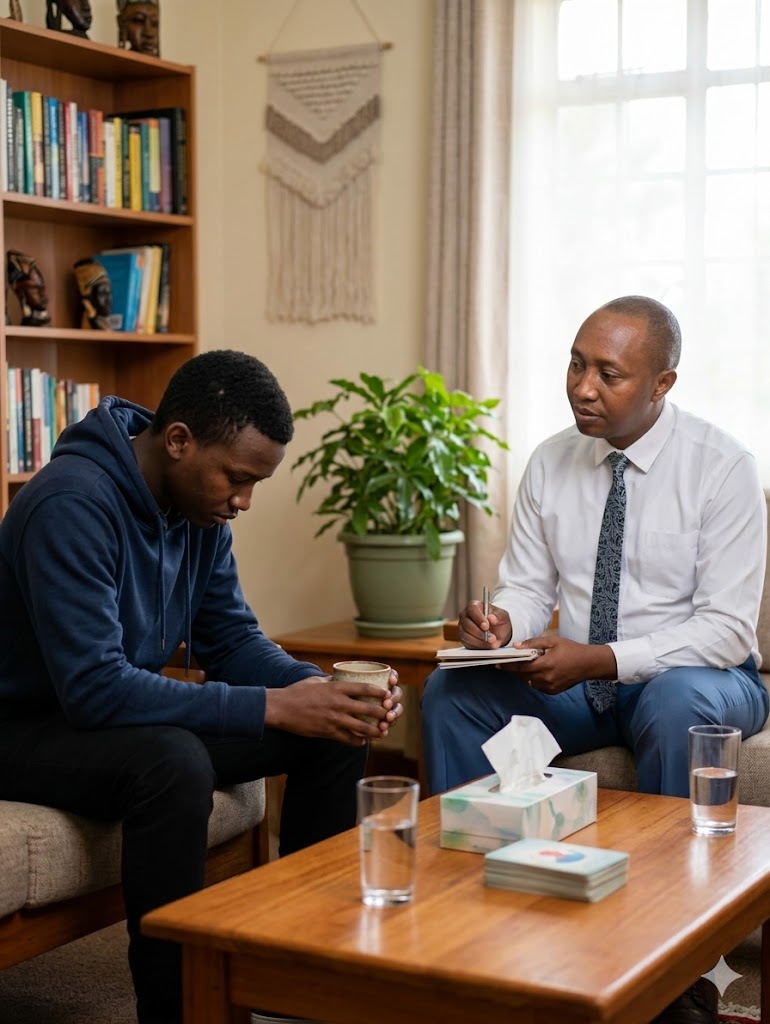
Counselling provides a confidential, structured space to map out your stressors. We look at the patterns in your life, the triggers you might be missing, and the internal scripts you’ve been running on autopilot. Through techniques like Cognitive Behavioral Therapy (CBT) or mindfulness-based practices, we help you gain distance from your thoughts. You learn to observe your anxiety rather than be your anxiety.
You deserve to feel in control of your own internal landscape.
CTA: ( call to action) Take the Next Step
You don’t have to navigate these overwhelming feelings alone. If you are tired of the constant worry and want to build a more resilient, calm version of yourself, our team is here.
[Click here to book your first session with Pragma Counsellors] and let’s start working toward a healthier, more balanced mind today.
Frequently Asked Questions
Q1: Can anxiety happen without a clear reason? Yes, absolutely. Anxiety is often the result of cumulative stress or internal lifestyle factors, and you don’t always need a specific “trigger” to feel the symptoms.
Q2: Is anxiety a serious condition? It is a very common human experience, but if it begins to interfere with your ability to live your life fully, it is a serious enough reason to seek support. You don’t need a formal diagnosis to deserve care.
Q3: Can counselling really help with anxiety? Yes. Counselling provides you with evidence-based tools to rewire how your brain perceives stress, helping you move from a state of constant reaction to a state of calm.
Q4: How long does it take to reduce anxiety? There is no set timeline, as everyone’s journey is different. However, many clients report feeling a significant sense of relief simply by having a safe space to share their experiences and learning a few grounding techniques early on.
