
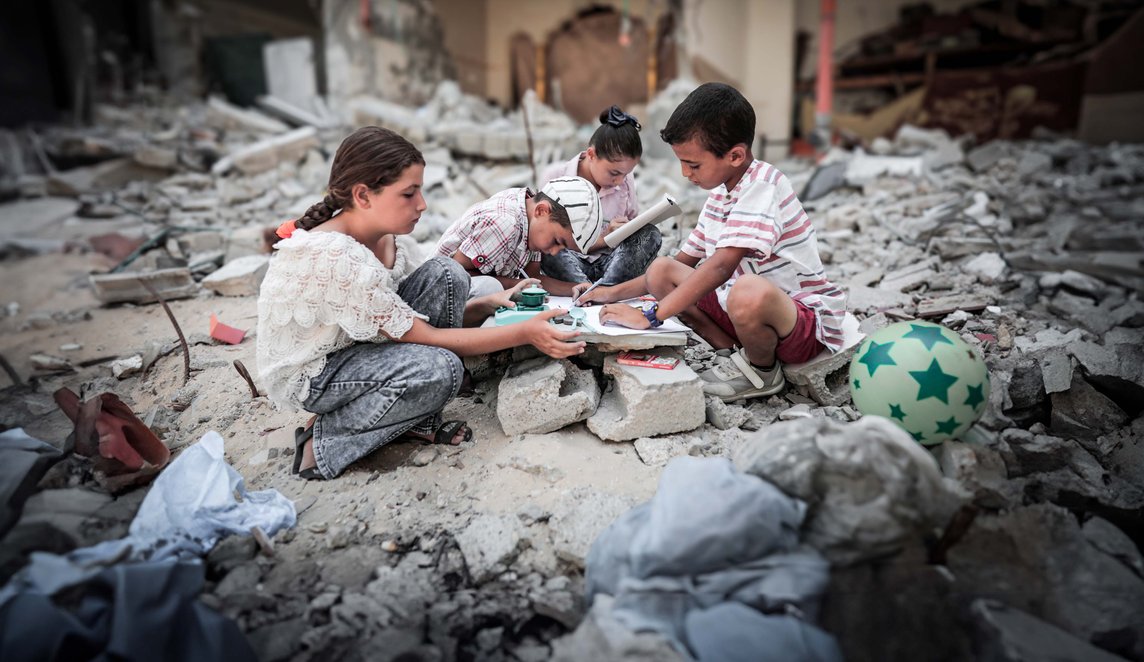
Children and War Trauma: Helping Kids Cope With Middle East Conflict Stress, The ongoing tensions and violence in parts of the Middle East have created deep psychological effects not only for adults but especially for children. When children are exposed to conflict through direct experience, displacement, or constant exposure to war news on television and social media, their emotional world is shaken.
Children and war trauma is a serious and growing global concern. Even children who are geographically far from conflict zones can experience stress through repeated exposure to distressing images and conversations about violence.
As parents, teachers, and caregivers, understanding how to recognize trauma and how to respond appropriately is critical.
Children and War Trauma: Helping Kids Cope With Middle East Conflict Stress: How Children Process War and Violence
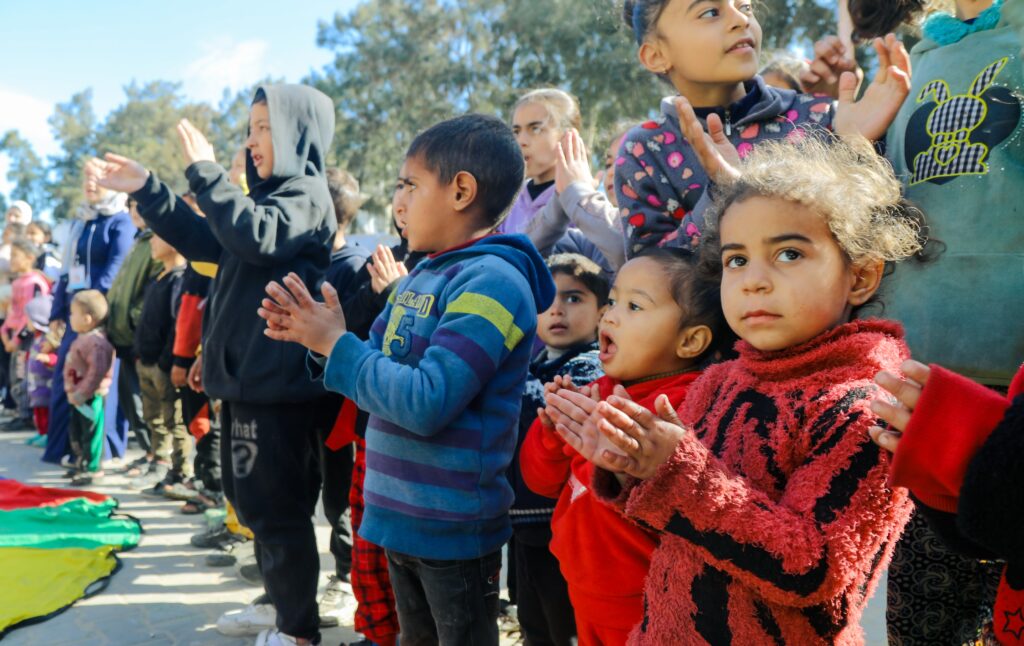
Children do not process war the same way adults do. Their understanding depends on age, emotional development, and exposure level.
Younger children may interpret war events through imagination. They might believe danger is everywhere or that something bad could happen at any time. Older children and teenagers may understand political details but still struggle with anxiety from uncertainty.
When children hear about conflict in regions such as the Middle East, they may internalize fear even if they are physically safe.
Common Reactions Include:
- Confusion about what is happening
- Fear that violence could spread
- Questions about safety and security
- Repeated play or drawings about destruction
- Emotional withdrawal
War stress in kids often appears indirectly. A child may not say, “I am scared about the conflict,” but their behavior may change suddenly.
It is important to remember that these reactions are normal responses to abnormal situations.
Children and War Trauma: Helping Kids Cope With Middle East Conflict Stress: Signs of Anxiety and Trauma in Children
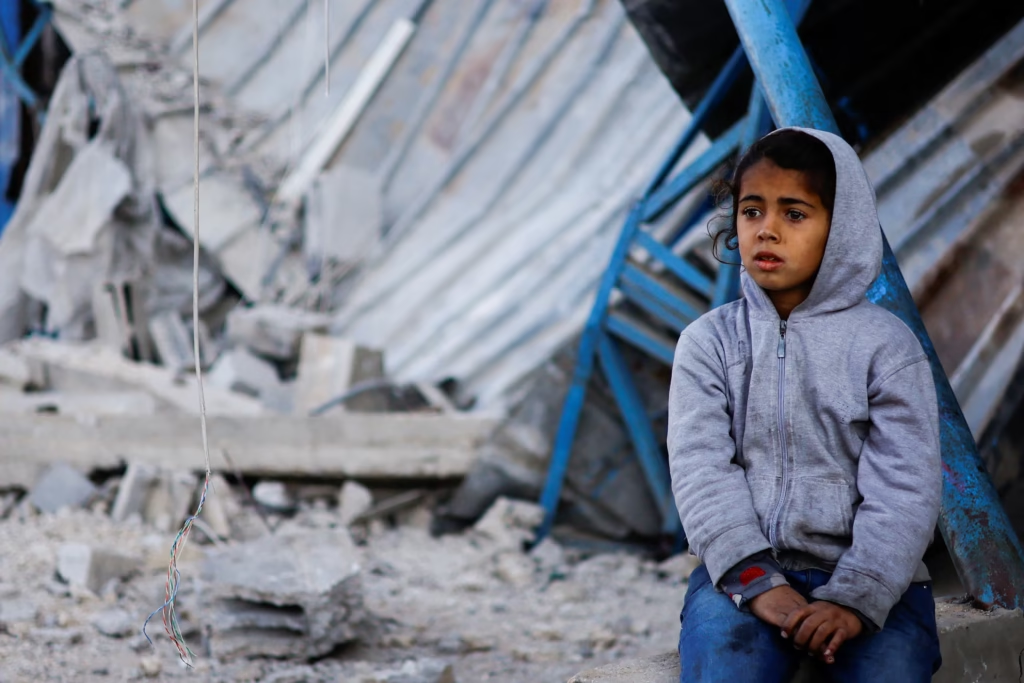
Recognizing the signs of trauma in children early makes intervention easier and more effective.
Exposure to constant news coverage about war can intensify emotional reactions. This is why monitoring media consumption is essential.
Emotional Signs
- Irritability or frequent anger
- Sudden mood swings
- Persistent fear or worry
- Crying more than usual
Behavioral Signs
- Avoiding school or social interaction
- Clinging to parents excessively
- Regression (bedwetting, thumb sucking, baby talk)
- Aggressive play focused on conflict
Physical Signs
- Stomachaches
- Headaches
- Sleep disturbances
- Nightmares
These are common indicators of child anxiety from war exposure.
Parents sometimes assume children are too young to understand global conflict. However, even indirect exposure through conversations at home or online discussions can trigger emotional stress.
If symptoms last for weeks or interfere with daily life, professional support should be considered.
Talking to Kids About War Safely
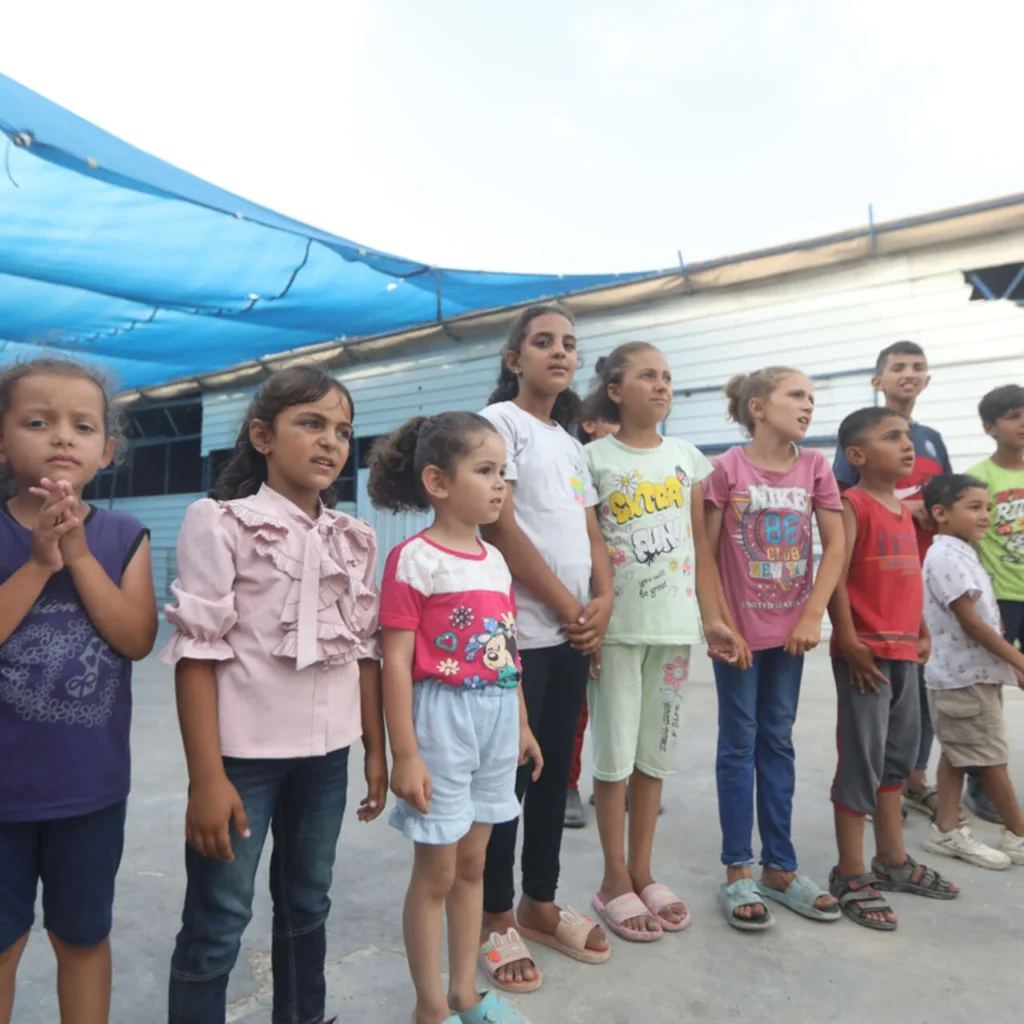
One of the most powerful protective factors against children and war trauma is open communication.
Avoid ignoring their questions. Silence can increase confusion and fear.
When children ask about conflict in the Middle East or any other war-related event:
Use Age-Appropriate Language
Explain events in simple terms. Avoid graphic details. Provide reassurance that adults are working to maintain safety.
Example:
“You may hear about fighting in another country. That situation is happening far away, and many people are trying to stop the violence.”
Validate Their Feelings
If a child says, “I’m scared something bad will happen,” respond with empathy:
“It makes sense that you feel scared when you hear about conflict. Let’s talk about your worries together.”
Validation reduces anxiety more effectively than dismissal.
Reassure Safety
Children need repeated reassurance about their immediate environment:
- “You are safe right now.”
- “Our community is secure.”
- “We are here to protect you.”
This builds emotional stability during uncertain times.
Talking openly also reduces the fear that develops from imagination filling information gaps.
School and Community Support Strategies
Schools play a major role in addressing war stress in kids.
Teachers often notice behavioral changes before parents do because children spend many hours in school environments.
School-Based Strategies:
- Provide counseling access
- Create safe discussion spaces
- Avoid exposing students to graphic news in classrooms
- Encourage emotional expression through art and writing
When children feel supported by teachers and peers, resilience increases.
Community leaders and faith-based organizations can also contribute by:
- Hosting mental health awareness sessions
- Providing safe youth group activities
- Offering psychological first aid during crisis periods
Community connection significantly reduces the impact of children and war trauma.
Social support acts as a protective shield against long-term psychological effects.
The Role of Media in Child Anxiety
Today’s digital world increases exposure to conflict updates from around the globe.
Repeated viewing of violent footage or commentary about the Middle East can intensify fear even among children who are not directly affected.
Parents should actively monitor:
- Television exposure
- Social media content
- YouTube recommendations
- Online conversations
Limiting exposure reduces the risk of child anxiety from war-related media.
Healthy media boundaries include:
- No war news before bedtime
- No graphic content in shared family spaces
- Supervised internet usage
Protecting children from overexposure is not about hiding reality it is about protecting emotional development.
Helping Children Build Emotional Resilience
Resilience helps children recover from stress and adapt to uncertainty.
Practical ways to strengthen resilience include:
Encourage Expression Through Play
Children process trauma through play. Provide toys, drawing materials, or storytelling opportunities.
If a child repeatedly reenacts conflict scenes, observe carefully. It may indicate they are trying to understand fear through imagination.
Promote Routine and Structure
Consistency provides security. Daily schedules reduce uncertainty and improve emotional regulation.
Teach Simple Coping Skills
Examples:
- Deep breathing exercises
- Counting exercises during anxiety
- Listening to calming music
- Journaling feelings
These skills reduce war stress in kids by empowering them with control over emotions.
When to Seek Child Therapy
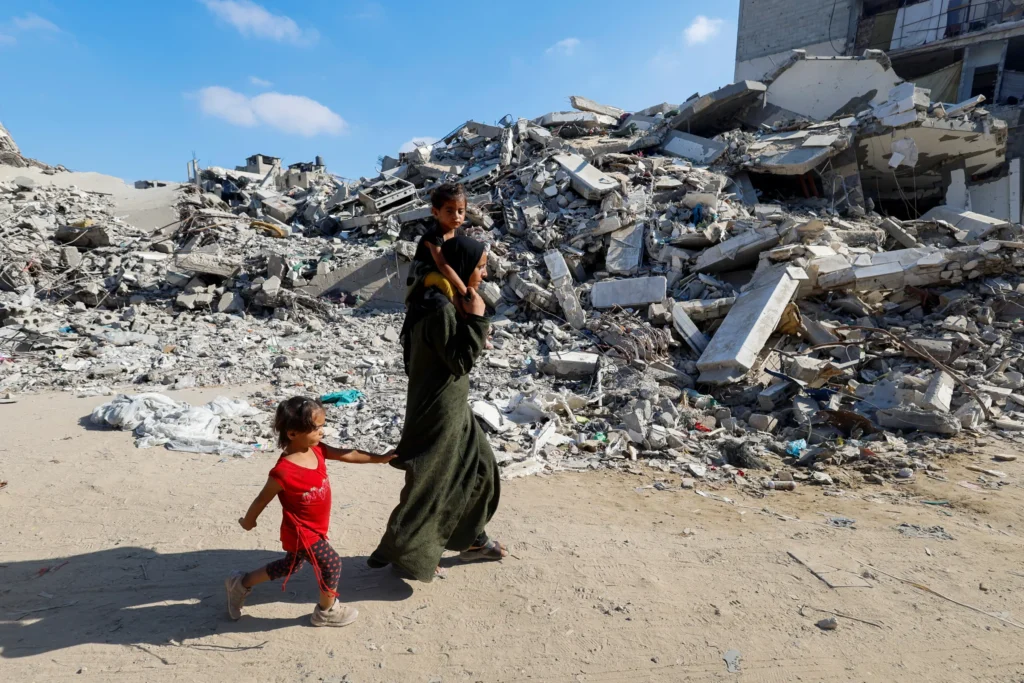
Not all children exposed to conflict need therapy. However, professional intervention becomes necessary when symptoms persist.
Consider seeking help if:
- Signs of trauma in children last longer than one month
- Academic performance declines significantly
- Aggressive behavior becomes uncontrollable
- Nightmares or panic attacks are frequent
- The child expresses hopelessness or self-harm thoughts
Child therapy provides structured support through methods like:
- Trauma-focused cognitive behavioral therapy
- Play therapy
- Family therapy
- Emotional regulation training
Early treatment prevents long-term psychological complications.
Professional guidance ensures children develop healthy coping tools instead of internalizing fear.
The Long-Term Impact of Unaddressed Trauma
If children and war trauma are ignored, unresolved stress can develop into adulthood as:
- Chronic anxiety disorders
- Depression
- Relationship difficulties
- Emotional dysregulation
- Trust issues
Addressing emotional wounds early improves future mental health outcomes.
Parents and caregivers should treat emotional distress with the same seriousness as physical injuries.
Final Thoughts
War events occurring in regions like the Middle East create ripple effects that reach children worldwide. Even indirect exposure through media or conversations can generate child anxiety from war stress.
However, with awareness and support, recovery is possible.
Key protective actions include:
- Recognizing signs of trauma early
- Talking to children safely about conflict
- Creating structured routines
- Reducing media exposure
- Seeking professional help when necessary
Children are resilient especially when surrounded by caring adults who listen and respond with empathy.
Protect their emotional wellbeing today to secure their psychological strength for tomorrow.
