
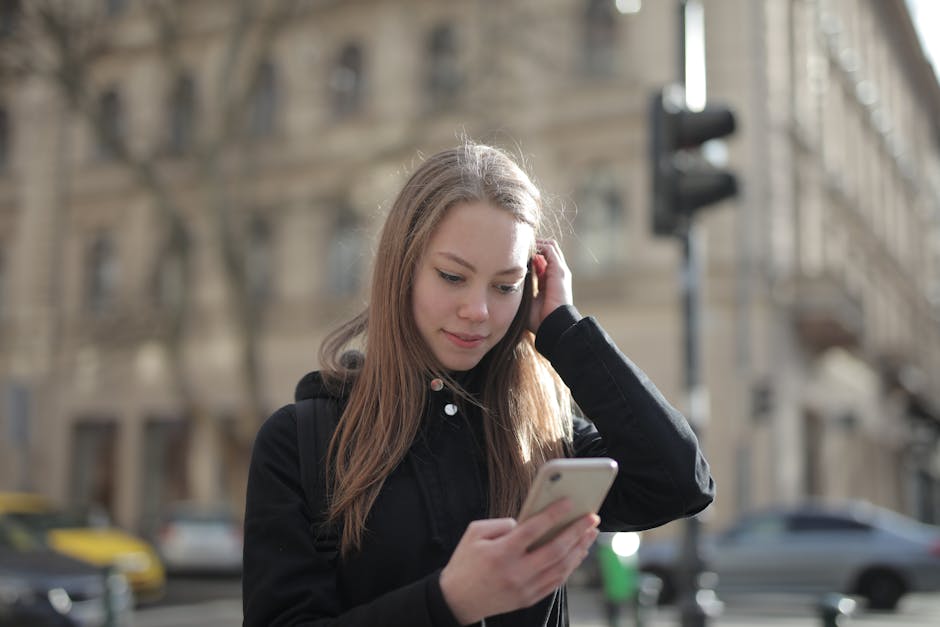
It feels like we’re constantly on edge, doesn’t it? If you’ve noticed an uptick in your own stress levels or those of people around you, you’re not alone. The phenomenon of anxiety increase among adults in the US and UK is a significant concern as we navigate 2026, impacting countless lives and demanding our attention. This isn’t just anecdotal; recent studies and mental health reports confirm a worrying climb in reported anxiety levels across both nations.
Understanding why adult anxiety is increasing requires a look at a multifaceted web of societal, economic, and technological factors. From the relentless pace of modern life to lingering global uncertainties, various elements are converging to create a perfect storm for heightened anxiety. Let’s break down some of the most influential causes.

The Relentless Grip of Economic Uncertainty and Cost of Living
One of the most prominent factors contributing to rising anxiety levels in adults, particularly in 2026, is economic instability. Both the US and UK have grappled with persistent inflation, stagnant wage growth for many, and escalating costs of essential goods and services. This creates immense financial pressure on individuals and families.
The ability to afford housing, food, and healthcare has become a daily struggle for a growing segment of the population. This constant worry about making ends meet, coupled with fears of job insecurity or economic recession, is a powerful driver of chronic stress and anxiety. It’s hard to relax when your financial future feels precarious.
The Double-Edged Sword of Digital Connectivity and Social Media
While technology offers incredible benefits, its pervasive nature is also a significant contributor to the causes of anxiety in adults. The always-on culture fostered by smartphones and social media platforms means we are constantly bombarded with information, expectations, and comparisons. Notifications ping incessantly, demanding our attention and creating a sense of urgency.
Social media, in particular, can fuel anxiety through the relentless pursuit of perfection and the fear of missing out (FOMO). People often present curated, idealized versions of their lives, leading others to feel inadequate or unsuccessful. This constant social comparison can erode self-esteem and heighten feelings of anxiety and inadequacy.

The Impact of Global Instability and News Overload
In 2026, the world continues to navigate a complex landscape of geopolitical tensions, climate change concerns, and lingering effects of past crises. The 24/7 news cycle, amplified by social media, ensures that we are constantly exposed to these unsettling realities. This continuous intake of negative information, often sensationalized, can be overwhelming.
Feeling a lack of control over large-scale global events can trigger significant anxiety. It’s difficult to maintain a sense of calm when the world around us seems increasingly unpredictable and fraught with peril. This constant exposure to threats, real or perceived, keeps our nervous systems in a state of heightened alert.
- Economic pressures and cost of living increases
- Pervasive digital connectivity and social media comparison
- Global instability and constant news cycles
- Work-life balance challenges and burnout
- Erosion of community ties and increased isolation
Work-Life Imbalance and the Culture of Burnout
The demands of the modern workplace play a crucial role in why adult anxiety is increasing. Many adults face long working hours, high performance expectations, and the blurring lines between work and personal life, especially with remote and hybrid work models. This constant pressure can lead to burnout, a state of emotional, physical, and mental exhaustion.
The fear of falling behind or losing one’s job in a competitive market further intensifies this pressure. When there’s little time for rest, hobbies, or genuine connection, mental health inevitably suffers. This imbalance is a significant factor contributing to adult anxiety statistics.

Societal Impact and Shifting Community Structures
Beyond individual pressures, broader societal shifts also contribute to rising anxiety levels adults. There’s been a noticeable decline in traditional community structures and social cohesion in many areas. This can lead to increased feelings of isolation and loneliness, which are strongly linked to anxiety and depression.
The sense of belonging and mutual support that strong communities provide acts as a buffer against stress. As these ties weaken, individuals are left to face challenges more independently, amplifying their anxieties. This societal impact on anxiety is often overlooked but incredibly important.

Addressing the Rising Tide of Anxiety
Recognizing the factors contributing to adult anxiety is the first step toward addressing this widespread issue. While individual coping strategies like mindfulness, exercise, and seeking professional help are vital, broader societal changes are also necessary. This includes advocating for better mental health resources, promoting healthier work cultures, and fostering stronger community connections.
Governments, employers, and communities in both the US and UK must prioritize mental well-being as much as physical health. By tackling the root causes of anxiety, we can move towards a future where adults feel more secure, connected, and emotionally resilient. It’s a collective effort for a healthier future.

If you or someone you know is struggling with anxiety, remember that help is available. Reaching out to a healthcare professional, therapist, or support group can make a significant difference. You don’t have to navigate these challenges alone.
