
As we navigate the fast-paced demands of 2026, many of us find our nervous systems working overtime. Understanding the nuances of a panic attack vs anxiety attack 2026 guide is essential for anyone looking to reclaim their mental peace. While these terms are often used interchangeably in casual conversation, they represent distinct physiological and psychological experiences that require different management strategies.
Recent data from National Institute of Mental Health suggests that adult anxiety levels have shifted due to the evolving digital landscape. To better understand your own experiences, it is helpful to look at how anxiety is on the rise among adults and how modern environmental stressors contribute to these sudden surges of fear.
Defining the Difference Between Panic and Anxiety Attack Symptoms
The primary difference between panic and anxiety attack symptoms lies in the intensity and the onset of the event. A panic attack is typically sudden, reaching its peak within minutes and often occurring without an obvious external trigger. It feels like an overwhelming wave of terror that can be physically debilitating.
Anxiety attacks, while not a formal clinical term in the DSM-5, generally refer to a buildup of intense worry related to a specific stressor. These can last longer and stay at a lower, yet persistent, intensity. For those managing complex lives, managing financial stress is a common precursor to these prolonged periods of heightened anxiety.
Physical Signs of Panic Attack vs Heart Attack
One of the most frightening aspects of a panic attack is the physical manifestation. Many individuals rush to the emergency room fearing a cardiac event. It is important to distinguish physical signs of panic attack vs heart attack to reduce unnecessary fear.
-
Chest pain panic attack: Usually sharp, localized to the mid-chest, and improves with breathing.
-
Heart attack pain: Often described as a heavy pressure or squeezing that may radiate to the left arm or jaw.
-
Shortness of breath panic attack: Feels like you cannot get enough air, leading to hyperventilation.
-
Racing heart panic attack: A sudden spike in heart rate that typically subsides once the peak of the attack passes.
Modern Tools: Wearable Tech for Anxiety Attack Tracking
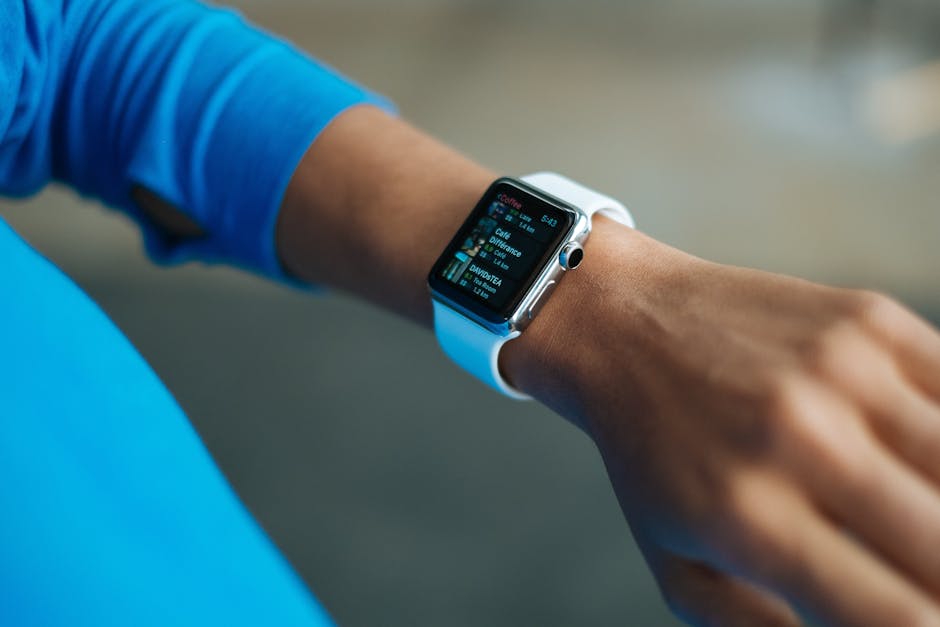
In 2026, we have unprecedented access to biofeedback. Wearable tech for anxiety attack tracking has become a staple for those with panic disorder. These devices monitor heart rate variability (HRV) and skin conductance to alert the user before an attack reaches its peak.
By using these tools, individuals can implement holistic panic attack relief techniques 2026 before the ‘fight or flight’ response becomes uncontrollable. This proactive approach is a cornerstone of managing generalized anxiety disorder in 2026, allowing for a more integrated lifestyle.
How to Stop a Panic Attack Fast 2026
If you find yourself in the middle of a surge, knowing how to stop a panic attack fast 2026 can be life-changing. The goal is to ground your senses and signal to your brain that you are safe. One effective method is the 5-4-3-2-1 grounding technique which forces the brain to switch from internal fear to external reality.
Additionally, many are turning to AI-assisted therapy for panic disorder. These digital companions provide immediate, evidence-based guidance through Cognitive Behavioral Therapy (CBT) exercises. For more on this, see our guide to ethical AI in therapy.
-
Box Breathing: Inhale for 4, hold for 4, exhale for 4, hold for 4.
-
Cold Water Shock: Splashing cold water on your face triggers the mammalian dive reflex, instantly lowering your heart rate.
-
Progressive Muscle Relaxation: Tensing and releasing muscle groups to move stored tension out of the body.
Panic Disorder Treatment Options and Therapy
When attacks become frequent, it may indicate Panic Disorder. This condition involves a persistent fear of having future attacks, leading to avoidant behaviors. Therapy for panic attacks has evolved significantly, with CBT for panic disorder remaining the gold standard.
CBT helps patients deconstruct the catastrophic thoughts that fuel the cycle of fear. Modern clinics often combine this with exposure therapy in controlled environments to desensitize the body to the physical sensations of panic. According to the World Health Organization, structured psychological interventions are highly effective for long-term recovery.
Holistic Panic Attack Relief Techniques 2026
Beyond clinical therapy, lifestyle adjustments play a massive role. In 2026, we see a surge in the use of adaptogens, specialized breathwork protocols, and nervous system regulation exercises. These holistic approaches focus on building a resilient baseline so that the threshold for a panic trigger is much higher.
When to Seek Help
Knowing when to seek help for panic attacks is a sign of strength, not weakness. If your anxiety is interfering with your work, relationships, or ability to leave the house, it is time to consult a professional. We are here to support you in finding the right path toward wellness.
Whether you choose traditional therapy or explore the latest in digital mental health, the first step is always awareness. By understanding the difference between panic and anxiety, you empower yourself to take control of your mental health journey in 2026 and beyond.
