
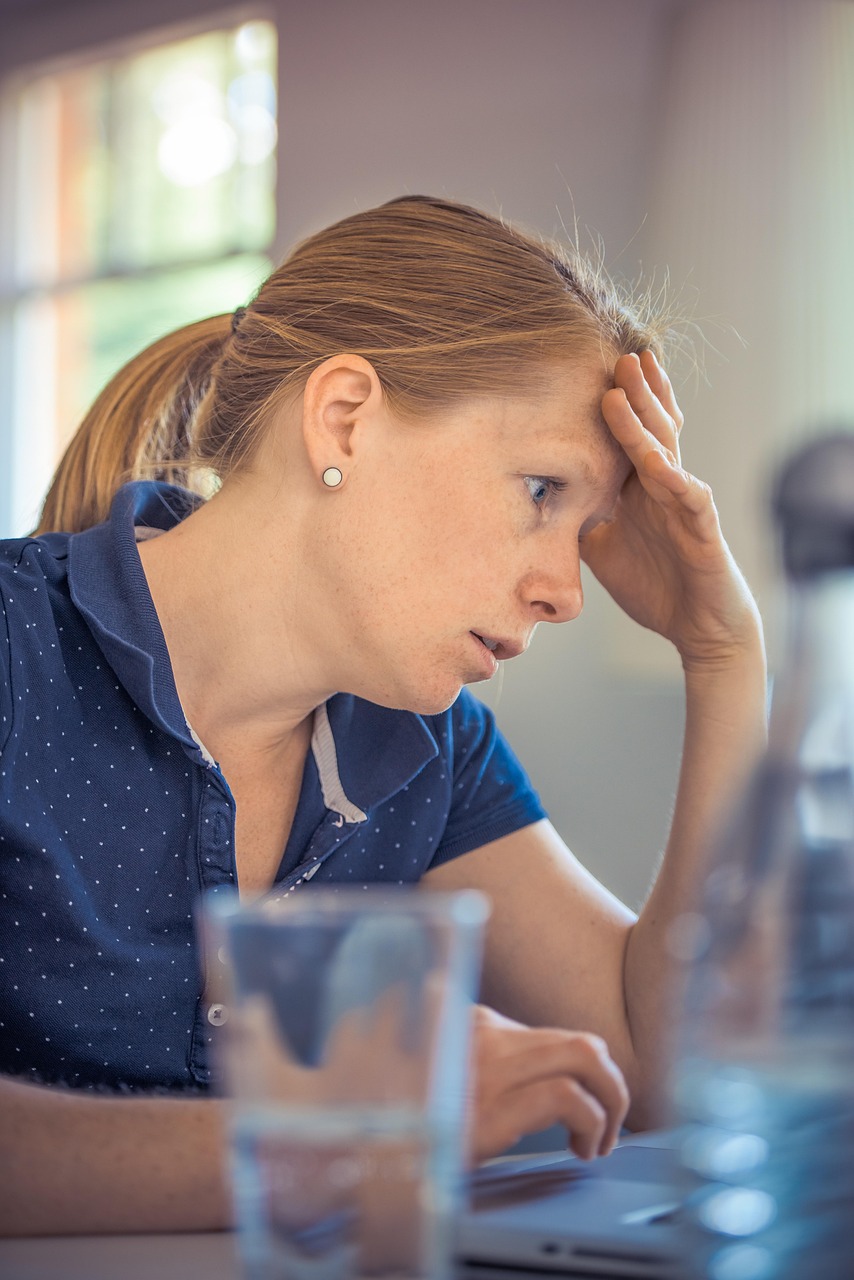
How to manage anxiety is something most of us need when there is a racing mind before a presentation, sleepless nights when life piles up, or a persistent hum of worry that’s hard to shake. If you’re searching for how to manage anxiety, this guide gives clear, compassionate steps and simple ways to manage anxiety at home so you can feel steadier every day.
Why a gentle, practical approach matters
High-pressure advice often feels unrealistic. Small, consistent actions build resilience more reliably than one-off “fixes.” Below you’ll find tiny habits, breathing tools, and mindset shifts that add up. These are low-cost, low-effort strategies that fit into real life perfect when you want anxiety relief without dramatic upheaval.
How to Manage Anxiety, Quick foundation: a 3-step mini-plan
Before we dive deep, try this mini-plan. It’s a compact routine you can use any time you feel anxious:
- Pause and breathe: 60 seconds of slow breathing.
- Name the feeling: say “I’m anxious” (it reduces intensity).
- Do one small grounding action: sip water, step outside, or press your feet into the floor.
This tiny ritual is one of the simple ways to manage anxiety at home because it’s repeatable, discreet, and effective.
How to Manage Anxiety: Practical habits that help every day
Consistency beats intensity. Add one habit at a time.
1. Build a short morning routine
Start with 5–10 minutes: stretch, breathe, and set one intention. Warming up your body helps reduce physical tension tied to anxiety.
2. Use a breathing anchor
Practice box breathing or 4-4-4 breathing (inhale 4 — hold 4 — exhale 4). This physiological tool slows the nervous system and is one of the easiest simple ways to manage anxiety at home.
3. Move in ways you enjoy
Short walks, yoga, or even a 10-minute dance break release stress hormones and boost mood. Movement is a core part of effective anxiety management.
4. Limit doom-scroll windows
Schedule two short periods for news/social media. Reducing constant exposure lowers baseline worry and makes other anxiety relief tools more effective.
5. Create a “worry notebook”
When worries pop up, jot them down. Seeing them on paper separates thoughts from you and gives your brain permission to let them rest.
Quick techniques for acute moments
When anxiety spikes, try these fast, evidence-backed moves.
Grounding (5-4-3-2-1)
Name 5 things you see, 4 you feel, 3 you hear, 2 you smell, 1 you taste. This sensory check pulls attention away from anxious loops a reliable simple ways to manage anxiety at home tactic.
Progressive muscle relaxation
Tense and release muscle groups from feet to face. This reduces physical tension and signals safety to your nervous system.
Gentle self-talk
Use brief, calm phrases: “This will pass,” “I can handle this one step at a time.” Repetition reduces the power of catastrophic thoughts.
Cognitive habits that change how worry works
Anxiety thrives on prediction and ambiguity. These cognitive shifts help.
- Label the distortion. When you notice catastrophizing, label it: “That’s catastrophizing.” Labeling reduces emotional charge.
- Ask for evidence. What’s the factual evidence for this worst-case scenario? Often the gap between thought and reality helps lower anxiety.
- Schedule worry time. Give yourself 10–15 minutes daily to worry intentionally. This prevents worry from hijacking the whole day and is one of the simple ways to manage anxiety at home that actually rewires habit.
Lifestyle supports that matter
Long-term anxiety management is built on predictable basics.
- Sleep hygiene: regular bedtime, dark room, and wind-down ritual.
- Nutrition: balanced meals and regular hydration help the brain regulate stress chemicals.
- Caffeine check: reducing late-day caffeine can significantly lower nighttime anxiety.
- Social contact: even short check-ins with friends reduce isolation and worry.
All these are practical simple ways to manage anxiety at home that compound over weeks.
When to consider professional help
Self-help works for many, but if anxiety disrupts work, relationships, or sleep consistently, consider a therapist or doctor. Evidence-based treatments (CBT, exposure therapy, some medications) can be life-changing. Reaching out is another form of resilience, not failure.
Putting it together: a 7-day starter plan
Try this short plan to kickstart change:
- Day 1: Start the 60-second breathing ritual twice daily. (Tip: pair it with teeth brushing.)
- Day 2: Add a 10-minute walk.
- Day 3: Practice grounding once during a spike.
- Day 4: Limit social media to two 20-minute windows.
- Day 5: Try progressive muscle relaxation before bed.
- Day 6: Write a worry-list and one small action you can take for each worry.
- Day 7: Reflect: what helped most? Keep the two best habits and repeat.
This plan focuses on actionable, gentle steps exactly the kind of simple ways to manage anxiety at home that stick.
Realistic expectations and kindness
Progress isn’t linear. Some days will be harder. The point is to increase the number of days you feel more steady than not. Use curiosity rather than criticism notice patterns, celebrate small wins, and adjust.
FAQ
Q: Can I manage serious anxiety at home without medication?
A: For some people, yes especially for mild-to-moderate anxiety using therapy (CBT), breathing practices, sleep, and lifestyle changes. If symptoms are severe or persistent, consult a mental health professional; medication can be a helpful component alongside therapy.
Q: How quickly will these techniques work?
A: Immediate techniques (breathing, grounding) can reduce intensity within minutes. Habits like regular sleep, exercise, and therapy produce more durable change over weeks to months.
Q: Is it unhealthy to use all these strategies together?
A: No —layering supportive habits (sleep + movement + grounding + cognitive work) is ideal. Start small and add one habit at a time to avoid overwhelm.
Q: How can I track progress?
A: Use a simple daily checklist: breathing, movement, worry notebook, and sleep. Track mood on a 1–10 scale. Patterns emerge quickly and guide adjustments.
