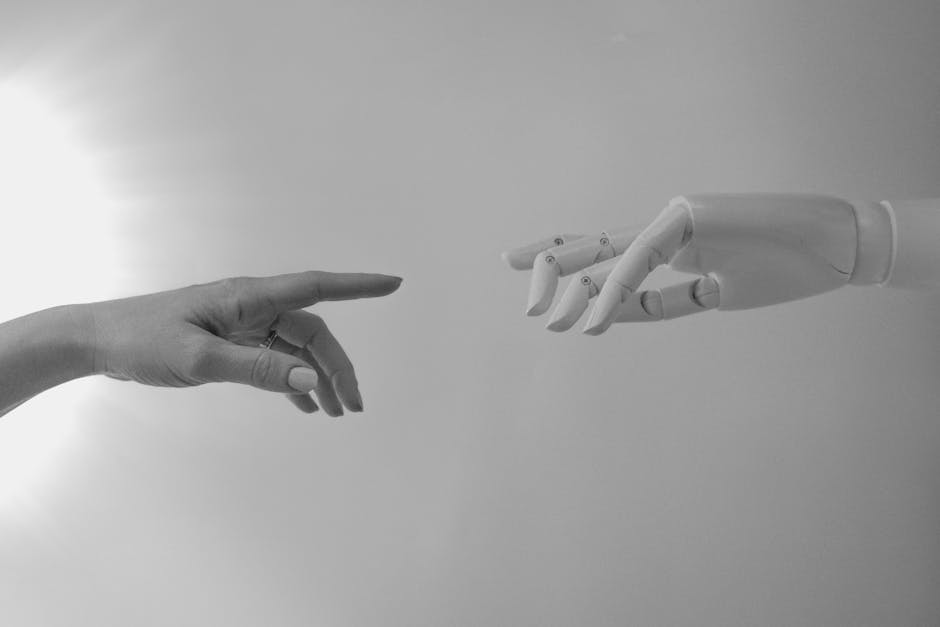

It’s January 2026, and the digital landscape of mental health has never been more intriguing. AI companions, once a futuristic concept, are now a tangible reality for millions seeking support and understanding. These sophisticated algorithms, often cloaked in friendly avatars, promise round-the-clock availability and judgment-free listening, offering a new frontier in mental health care. But as we embrace these silicon-based confidantes, we must ask: are they a genuine friend to our well-being, or a subtle foe to the irreplaceable warmth of human connection?
The global mental health tech market has exploded, with AI-powered therapy apps projected to reach over $7 billion by 2028. This isn’t just a niche market anymore; it’s a mainstream phenomenon. From personalized mood tracking to AI-driven cognitive behavioral therapy (CBT) exercises, these companions are changing how we interact with our inner selves.

The Uncanny Charm of AI: Why We’re Hooked
Let’s be honest, AI companions offer some undeniably attractive features. They don’t judge your questionable fashion choices from 2023, nor do they ever cancel plans for ‘sudden flu-like symptoms.’ They are always there, 24/7, ready to lend a digital ear. This constant availability is a game-changer for individuals struggling with anxiety or those who simply need to vent at 3 AM.
Recent studies, like the one published in ‘Digital Psychology Review’ in late 2025, indicate that 60% of users report reduced feelings of loneliness and improved mood after consistent interaction with AI mental health apps. Their ability to process vast amounts of data allows for hyper-personalized responses, making users feel genuinely understood. It’s like having a therapist who remembers every obscure detail about your life without needing a single note.
- 24/7 availability, no appointment needed.
- Judgment-free listening and personalized responses.
- Accessibility for those in remote areas or with mobility issues.
- Cost-effective alternative to traditional therapy sessions.
- Anonymity, allowing users to discuss sensitive topics more freely.
The Therapeutic Algorithms: How Do They Work?
These AI companions aren’t just glorified chatbots; they’re powered by sophisticated natural language processing (NLP) and machine learning algorithms. They can detect subtle shifts in tone, identify emotional cues, and even suggest coping mechanisms based on established therapeutic frameworks like CBT and dialectical behavior therapy (DBT). It’s like having a miniature, highly efficient psychology professor in your pocket.

The Human Connection Conundrum: Are We Losing Something?
Now for the million-dollar question: while AI offers undeniable benefits, is it inadvertently eroding our capacity for genuine human connection? Can an algorithm truly replicate the empathy, nuance, and unpredictable spontaneity of a human therapist or a supportive friend? A recent article in ‘The Journal of Applied Psychology’ (October 2025) raised concerns that over-reliance on AI for emotional support might lead to a decrease in real-world social interactions, particularly among younger demographics.
The subtle cues, the shared laughter, the comforting silence that only another human can provide – these are elements that AI, no matter how advanced, struggles to perfectly replicate. There’s a certain je ne sais quoi to human interaction that transcends data points and algorithms. We’re talking about the messy, beautiful, and often illogical aspects of being human, which are difficult for even the most sophisticated AI to grasp.

The ‘Turing Test’ of Empathy: Where AI Falls Short
While AI can simulate empathy, can it truly feel it? Many experts argue that the lack of lived experience and genuine consciousness prevents AI from reaching true emotional understanding. It can process your words and deliver a statistically appropriate response, but it can’t share a knowing glance or offer a spontaneous hug. These are the moments that often provide the deepest comfort and healing.
Furthermore, there are ethical considerations. Who is responsible when an AI companion gives suboptimal advice? What about data privacy and the potential for misuse of highly sensitive personal information? These are not trivial concerns and are actively being debated by regulatory bodies worldwide in 2026.

Finding the Balance: A Hybrid Approach
Perhaps the answer isn’t an either/or scenario, but rather a harmonious integration. AI companions could serve as an excellent first line of defense, offering immediate support, psychoeducation, and a bridge to traditional therapy. They can help track moods, provide coping strategies, and even encourage users to seek professional human help when needed. Think of them as a highly intelligent, always-on mental health assistant.
Human therapists, on the other hand, can then focus on the deeper, more complex issues, providing the nuanced empathy, genuine connection, and clinical expertise that AI currently cannot. A hybrid model, where AI augments human care rather than replaces it, seems to be the most promising path forward for mental health in 2026 and beyond. It’s about leveraging technology without sacrificing humanity.
- AI for initial support, mood tracking, and basic psychoeducation.
- Human therapists for complex issues, deep empathy, and clinical expertise.
- Integration of AI tools within traditional therapy for enhanced treatment.
- Using AI to facilitate access to human care, especially in underserved areas.
- Developing ethical guidelines for AI companion design and usage.
The Future is Now: A Call for Conscious Integration
As we navigate this exciting yet complex era of AI in mental health, it’s crucial to proceed with awareness and intention. AI companions are powerful tools, but like any tool, their impact depends on how we wield them. Let’s ensure they serve as a complement to, rather than a substitute for, the profound and healing power of human connection.
So, are AI companions a friend or foe? Perhaps they are a bit of both, a friendly tool that demands a conscious effort to prevent it from becoming an unwitting foe to our most fundamental human needs. The future of mental health is digital, but its heart must remain undeniably human. What are your thoughts on this evolving landscape? Share your perspective in the comments below!