
Understanding the Impact of Sudden Loss
Healing from the sudden death of someone you love is one of the most painful and life-altering experiences a person can face. Unlike anticipated loss, where families may have time to prepare, a sudden death whether caused by an accident, health crisis, or unforeseen tragedy often leaves loved ones in shock. The sudden absence creates an overwhelming emotional void that can be difficult to process. Many people report feelings of disbelief, numbness, and confusion in the days and weeks that follow.
Coping with sudden loss of a loved one requires time, compassion, and the right support systems. It is important to acknowledge that grief is not a linear process, and every individual experiences it differently. Recognizing this can help reduce the pressure to “recover quickly” and instead allow for a more natural and gentle healing process.
1. The First Days After a Sudden Death
In the immediate aftermath, shock often becomes the body’s natural defense mechanism. You may feel detached from reality, unable to comprehend what has happened. During this time, practical tasks such as planning a funeral, notifying family members, and handling documents may feel overwhelming. It is common to feel torn between deep sorrow and the responsibility of handling urgent matters.
Finding small anchors can help ease the intensity of this period. Accepting help from trusted friends and family, writing down important tasks, and leaning on grief support resources can provide stability. Even though the pain feels unbearable, allowing others to assist with meals, childcare, or paperwork can lighten the burden and create moments of rest.
2.Coping with Sudden Loss of a Loved One
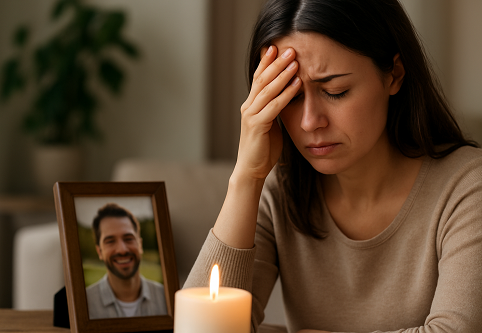
Coping with sudden loss of a loved one is not only about surviving day-to-day but also finding ways to gently nurture your emotional well-being. This might involve journaling, talking openly about your loved one, or creating small daily rituals in their memory. For example, lighting a candle at the same time each evening or revisiting shared photographs can become comforting practices.
It is also important to pay attention to your physical health. Grief often affects appetite, sleep, and energy levels. Choosing simple, nourishing meals, staying hydrated, and walking outside for even a few minutes can contribute to emotional healing. These small acts of self-care are stepping stones toward long-term resilience.
3. The Role of Emotional Healing
Healing from the sudden death requires more than time it requires conscious attention to your emotions. Many people suppress grief in order to appear strong, but unprocessed emotions can lead to anxiety, depression, or even physical illness. Emotional healing means creating safe spaces to feel, express, and release your emotions without judgment.
Counseling and support groups play a significant role in this process. Speaking with others who have experienced a similar loss can reduce isolation and provide hope. Professional grief support can also offer structured coping strategies that are personalized to your needs, ensuring that your journey toward recovery does not feel lonely or overwhelming.
4. Finding Meaning and Resilience After Loss
One of the hardest parts of healing from the sudden death is making sense of the loss. While not every tragedy has an explanation, many people find comfort in seeking meaning. This can include honoring your loved one’s values, carrying forward traditions they cherished, or dedicating yourself to causes they cared about.
Resilience after loss does not mean forgetting it means finding a way to live with the memory of your loved one while creating space for hope. People who have experienced sudden loss often describe their grief as a lifelong companion, but with time, it becomes less heavy. Accepting that healing is not about erasing the pain but learning to live alongside it can shift perspective and allow you to embrace life again.
5. Practical Steps for Daily Healing
-
Allow yourself to grieve openly. Give permission to cry, journal, or share your emotions.
-
Lean on support systems. Family, friends, counselors, or faith communities can help you through.
-
Create a memory space. A photo album, a keepsake box, or a special corner in your home can be a place of comfort.
-
Maintain small routines. Simple acts like walking daily or preparing meals add stability.
-
Seek professional help if needed. Grief therapy or trauma counseling can be crucial for long-term recovery.
Each of these steps may seem small, but combined, they offer a framework for coping with sudden loss of a loved one in a healthy and compassionate way.
6. Supporting Others Who Are Grieving
If someone you love is healing from the sudden death of a friend or family member, offering support requires patience and presence. Avoid clichés like “time heals all wounds” and instead listen without judgment. Sometimes silence, paired with a comforting presence, speaks louder than words.
Practical gestures such as preparing meals, offering rides, or taking care of errands can also ease the grieving person’s burden. By showing up consistently, you reinforce that they are not alone on their path toward healing.
7. Common Challenges During Grief
Many people face setbacks during the grieving process. Feelings of guilt, anger, or regret may surface unexpectedly. Anniversaries, holidays, or simple reminders can reignite grief, making it feel as though the healing process has regressed. This is a natural part of recovery, not a sign of weakness.
Recognizing these triggers allows you to prepare for them with compassion. You might choose to plan quiet days during anniversaries, spend time with supportive people, or honor your loved one in a meaningful way. Over time, these moments become less overwhelming, allowing you to navigate them with more resilience.
8. Moving Forward Without Forgetting
Healing from the sudden death does not mean leaving your loved one behind. Instead, it involves carrying their memory into your life in a way that brings peace rather than only pain. Many people find comfort in creating memorial traditions, such as planting a tree, donating to a cause, or celebrating birthdays in their loved one’s honor.
The process of moving forward includes embracing both grief and hope. Life after loss will never be the same, but it can still hold beauty, connection, and meaning. By allowing yourself to live fully while honoring your loved one’s memory, you create a balance between remembrance and renewal.
FAQs About Healing from Sudden Loss
1. How long does it take to heal from the sudden death of a loved one?
There is no set timeline. Grief is unique for everyone, and healing can take months or years. What matters most is giving yourself permission to grieve at your own pace.
2. What helps with coping with sudden loss of a loved one?
Support groups, therapy, journaling, and creating memory rituals can be effective. Small daily routines and self-care also play a significant role.
3. Should I seek counseling after a sudden death?
If grief feels overwhelming, persistent, or isolating, counseling can provide essential tools for healing. Many people find therapy invaluable for long-term emotional well-being.
4. Can I ever feel normal again after such a loss?
Life may never return to what it was before, but many people find a new sense of normal. This includes honoring memories while learning to embrace life’s future possibilities.
5. How do I support a friend who is grieving suddenly?
Be present, listen without judgment, and offer practical support. Avoid rushing their healing process or using phrases that minimize their pain.
Final Thoughts
Healing from the sudden death of a loved one is a deeply personal journey marked by sorrow, resilience, and eventual hope. While the pain may never disappear completely, it transforms over time, allowing space for love, meaning, and even joy to return. By leaning on support, practicing self-care, and embracing both grief and healing, you can move forward while honoring the bond you shared.
