
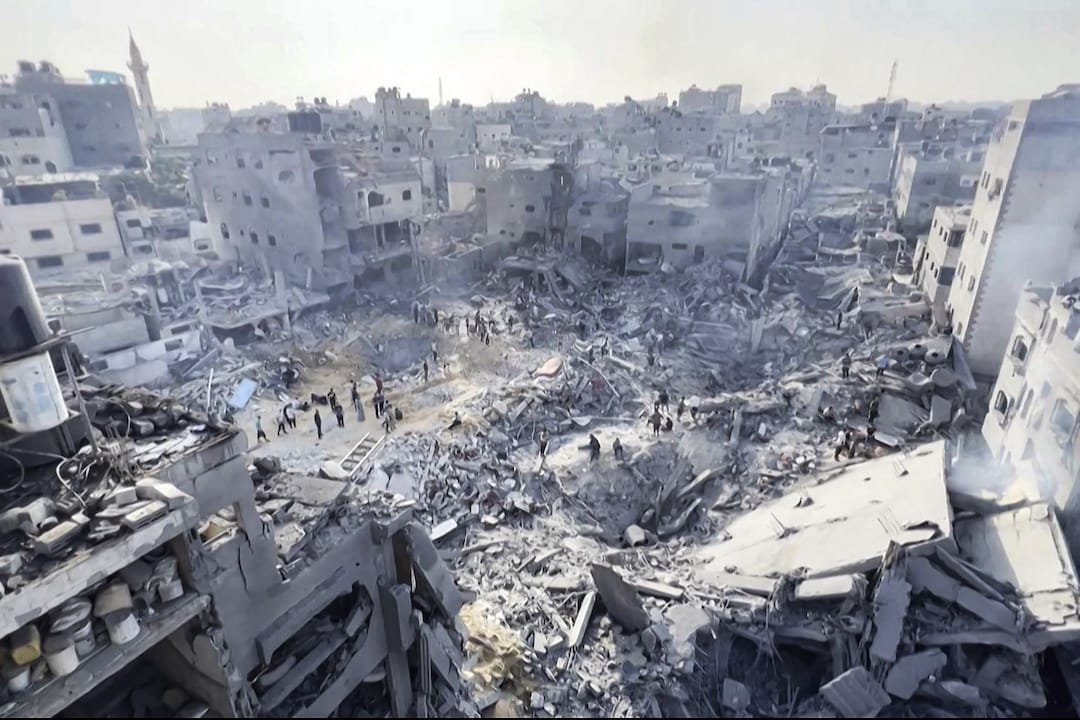
Middle East Conflict: Navigating Mental Health in 2026, As of March 4, 2026, the ongoing geopolitical shifts continue to weigh heavily on the collective psyche of young and middle-aged adults worldwide. The Middle East conflict mental health impact 2026 is no longer a localized concern but a global phenomenon characterized by heightened anxiety and emotional exhaustion. Whether you are directly affected or observing from a distance, the psychological weight of international instability requires proactive management and professional insight.
In our current landscape, the constant stream of digital updates can lead to significant distress. Many individuals find themselves struggling with rising anxiety levels as they process the implications of regional instability. Understanding the mechanisms of this stress is the first step toward reclaiming your mental well-being and maintaining resilience in an unpredictable world.

Middle East Conflict: Navigating Mental Health in 2026:Understanding Secondary Trauma from War Media Exposure 2026
One of the most pervasive challenges this year is secondary trauma from war media exposure 2026. Unlike direct trauma, secondary trauma occurs when individuals are exposed to the suffering of others through high-definition video, social media livestreams, and detailed journalistic accounts. This constant proximity to crisis can trigger the same physiological stress responses as a direct threat.
According to recent psychological research on trauma, repeated exposure to graphic imagery can lead to symptoms traditionally associated with PTSD. These include intrusive thoughts, irritability, and a persistent sense of dread. For many, this manifests as a digital dependency where the urge to stay informed conflicts with the need for emotional safety.
To mitigate these effects, many are turning to a digital detox to reestablish boundaries. Limiting news consumption to specific times of day and choosing reputable, long-form journalism over sensationalist social media feeds can significantly reduce the cortisol spikes associated with the 24-hour news cycle.

Middle East Conflict: Signs of War News Burnout and Trauma
Recognizing the signs of war news burnout and trauma is critical for early intervention. In 2026, mental health professionals have identified specific patterns in adults who are over-consuming conflict-related content. These symptoms often start subtly but can escalate into chronic mental health conditions if left unaddressed.
- Hypervigilance and an exaggerated startle response to loud noises.
- Persistent feelings of helplessness or guilt regarding global events.
- Difficulty concentrating on daily tasks or work responsibilities.
- Disrupted sleep patterns and vivid nightmares related to conflict themes.
- Emotional numbness or withdrawal from social interactions.
If you notice these symptoms, it is vital to seek professional support. Many are finding success by accessing online therapy, which offers a flexible and immediate way to process complex emotions. Digital tools have become a cornerstone of mental healthcare in 2026, providing a bridge to expert care from the comfort of home.

Coping with Global Conflict Anxiety March 2026
Coping with global conflict anxiety March 2026 requires a multi-faceted approach that addresses both the mind and body. The physiological impact of international stress can lead to physical ailments, making it essential to integrate grounding techniques into your daily routine. Grounding helps pull the brain out of a ‘fight or flight’ state and back into the present moment.
Industry experts at the World Health Organization emphasize that community connection is a powerful antidote to the isolation of anxiety. Engaging in local volunteer work or community groups can provide a sense of agency that counters the helplessness often felt during international crises.
Furthermore, managing financial concerns is often tied to geopolitical stability. For those feeling the economic ripple effects of the conflict, understanding strategies for mental wellness during economic uncertainty can provide a much-needed sense of control over one’s personal circumstances.

Managing PTSD from Middle East Crisis
For individuals with direct ties to the region or those who have previously experienced trauma, managing PTSD from the Middle East crisis is a priority in early 2026. The psychological effects of regional war on civilians often include complex trauma that requires specialized therapeutic approaches, such as EMDR or trauma-focused cognitive behavioral therapy.
It is also important to recognize how these stresses affect the family unit. Children, in particular, may absorb the anxiety of the adults around them without having the words to express their fear. Open, age-appropriate communication is essential for maintaining a supportive environment at home.
The National Institute of Mental Health suggests that routine and predictability are key to managing PTSD symptoms. Establishing a consistent daily schedule can provide a sense of safety and stability that the external world currently lacks.
War-Related Anxiety Support Resources 2026
As we navigate these challenging times, remember that you do not have to carry the weight of the world alone. There are numerous war-related anxiety support resources 2026 available to help you process your emotions and develop healthy coping mechanisms. Our team is dedicated to providing the guidance and expertise you need to thrive despite the global climate.
Whether you are looking for professional counseling, community support groups, or self-help strategies, prioritizing your mental health is the most important step you can take today. By focusing on what you can control and seeking help when needed, you can build the resilience necessary to face the future with confidence.

Practical Steps for How to Handle International Conflict Stress 2026
- Curate your feed: Unfollow accounts that prioritize sensationalism over facts.
- Practice mindfulness: Use breathing exercises to regulate your nervous system during news breaks.
- Establish boundaries: Designate ‘news-free zones’ in your home and specific times for disconnection.
- Seek professional guidance: Reach out to a therapist to process secondary trauma or PTSD symptoms.
- Focus on local impact: Channel your energy into local community support and positive action.
In conclusion, the Middle East conflict mental health impact 2026 is a significant challenge, but it is one that can be managed with the right tools and support. By acknowledging the validity of your stress and taking proactive steps to protect your well-being, you can navigate these complex times with resilience. We are here to support you every step of the way as a trusted resource in your health and wellness journey.
