
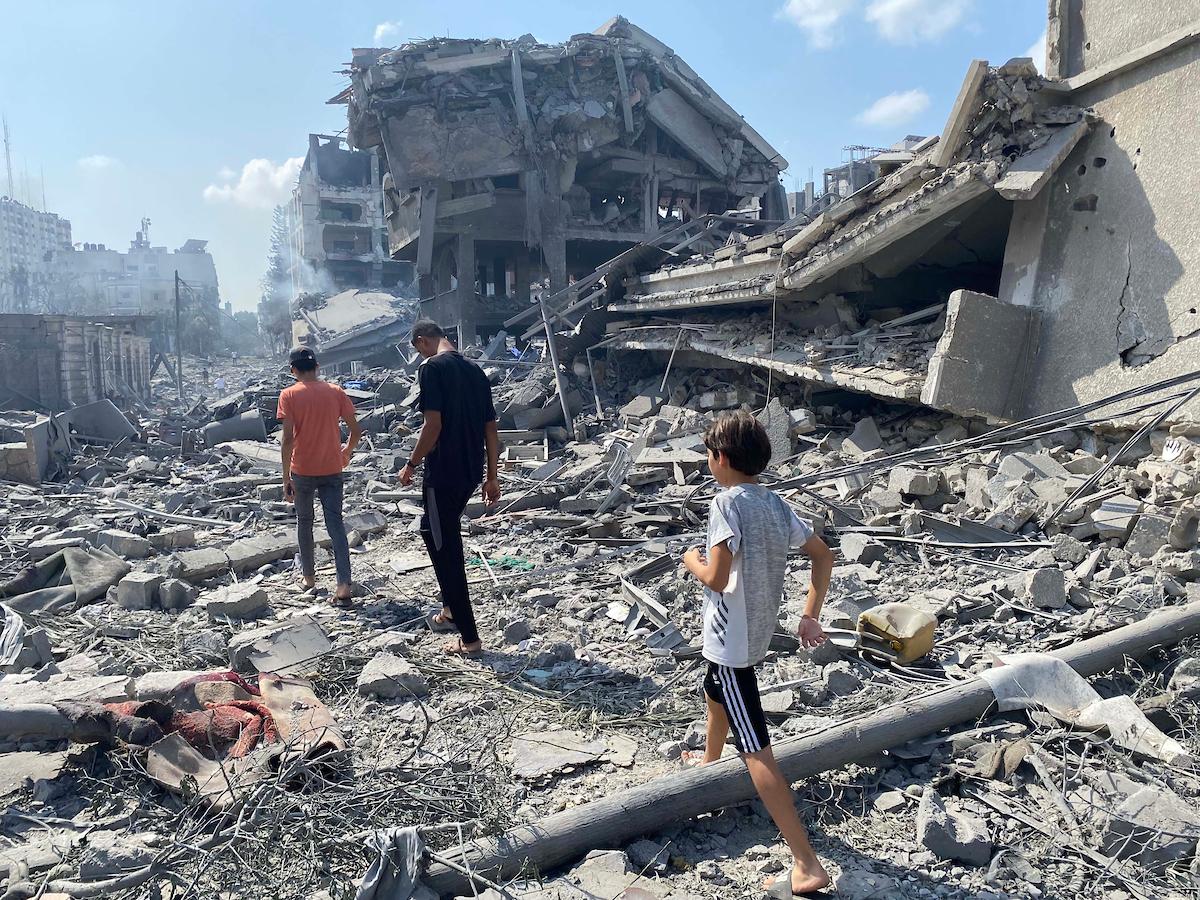
How the Ongoing Middle East Conflict Is Affecting Mental Health Worldwide, The ongoing tensions involving the United States, Iran, Israel, and other parts of the Middle East are not only geopolitical or military concerns they are deeply psychological events with global consequences.
In today’s hyperconnected world, war is no longer experienced only by those on the battlefield. Through 24-hour news coverage, social media updates, graphic imagery, and political commentary, millions of people across continents are exposed to the emotional weight of conflict daily.
Even individuals living far from affected regions are reporting increased anxiety, sleep disturbances, emotional exhaustion, and fear about the future. For civilians directly impacted, the psychological toll is even more severe.
War affects more than borders. It affects minds.
This article explores how ongoing Middle East conflict impacts global mental health, the symptoms of war-related trauma, and practical coping strategies to protect emotional well-being.
How the Ongoing Middle East Conflict Is Affecting Mental Health Worldwide: What Is War-Related Psychological Trauma
War-related psychological trauma refers to emotional and mental distress caused by exposure to armed conflict. This exposure can be:
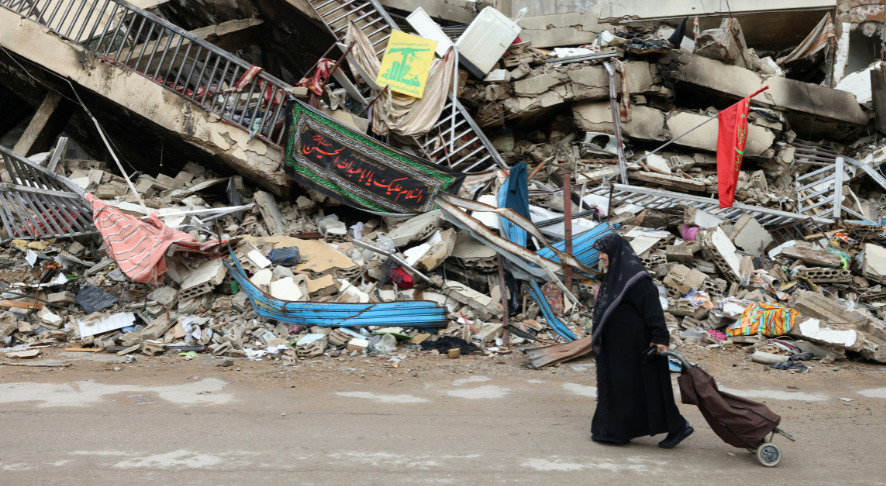
- Direct exposure — living in a war zone or experiencing violence firsthand
- Indirect exposure — having loved ones in affected regions
- Media exposure — repeated viewing of distressing news and images
When the brain perceives danger, it activates the survival response commonly known as “fight, flight, or freeze.” This response is useful in short-term emergencies. However, prolonged activation due to chronic uncertainty or repeated traumatic exposure can dysregulate the nervous system.
Over time, individuals may develop:
- Persistent anxiety
- Hypervigilance (constant scanning for danger)
- Sleep disturbances
- Emotional numbness
- Depression
- Irritability
Research shows that even second-hand trauma sometimes called secondary traumatic stress can produce symptoms similar to those experienced by individuals in direct conflict zones.
In other words, you do not have to be physically present in a war zone to be psychologically affected.
How the Conflict Between the U.S., Iran & Israel Triggers Global Anxiety
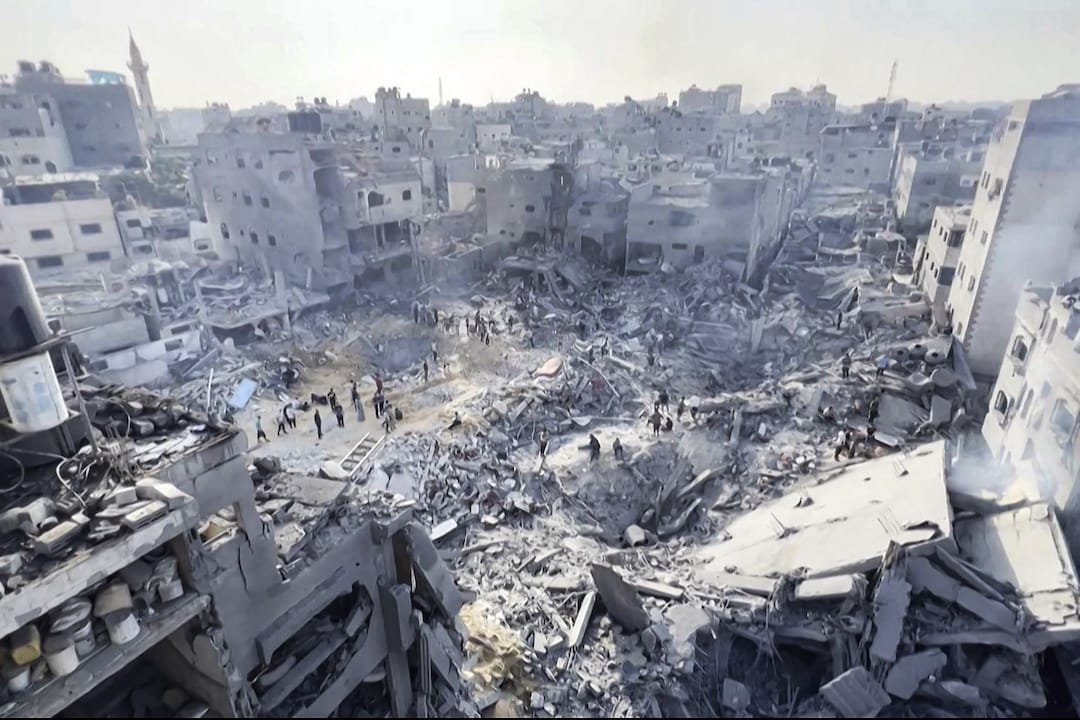
Modern warfare is different from wars of the past. Information now spreads instantly. A military strike, diplomatic threat, or political escalation can become global news within minutes.
The conflict dynamics involving the United States, Iran, and Israel carry particular psychological weight for several reasons:
- Fear of Escalation – Many people worry about the potential for a broader regional or global war.
- Economic Uncertainty – Rising fuel prices, stock market instability, and trade disruptions create financial anxiety.
- Nuclear Threat Concerns – Speculation about advanced weaponry increases catastrophic thinking.
- Political Polarization – Intense debates online can amplify stress and emotional reactivity.
The human brain struggles deeply with uncertainty. When people cannot predict outcomes, anxiety increases. This explains why global conflict can produce panic-like symptoms even in populations geographically removed from the battlefield.
Common global anxiety reactions include:
- Doom-scrolling news late into the night
- Difficulty concentrating at work
- Constantly checking updates
- Feeling a sense of impending disaster
These reactions are not signs of weakness they are natural responses to perceived threat.
Emotional Effects on Civilians and Families
For civilians living within conflict zones in parts of the Middle East, psychological distress is far more intense and immediate.
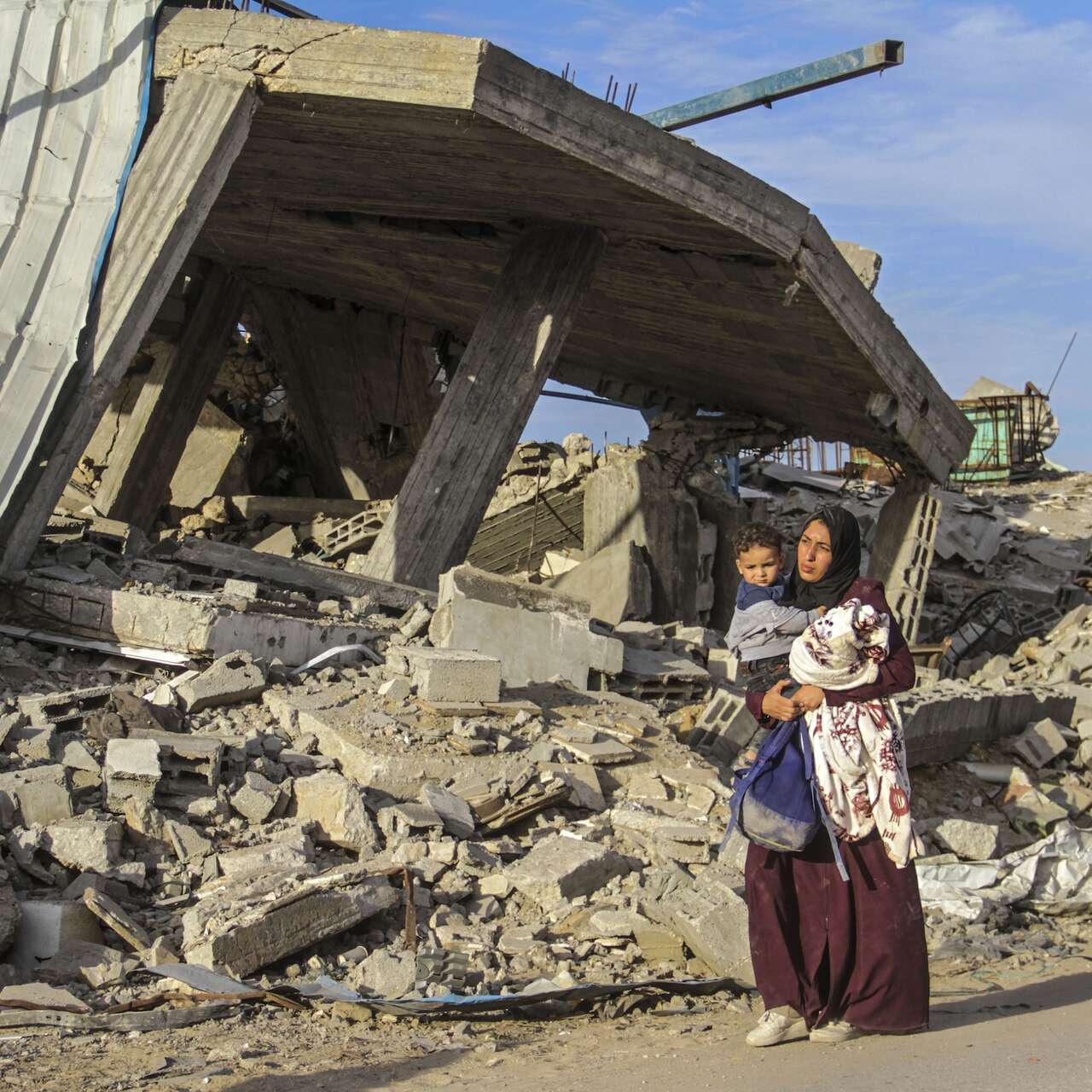
Persistent Fear
Living under the threat of airstrikes, displacement, or violence keeps the body in survival mode. Chronic fear exhausts both mind and body.
Grief and Loss
War often brings the loss of loved ones, homes, community infrastructure, and stability. Unresolved grief can turn into complicated mourning or depression.
Displacement Trauma
Families forced to flee their homes may experience identity disruption, financial strain, and social isolation. Refugee experiences often include long-term psychological challenges.
Family Tension
Financial stress, limited resources, and uncertainty can increase domestic conflict. Children are particularly vulnerable during these times.
The Impact on Children
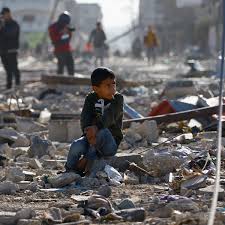
Children process trauma differently than adults. Instead of verbalizing distress, they may show:
- Bedwetting
- Nightmares
- Aggressive behavior
- Clinginess
- Regression in development
- Withdrawal from social interaction
Exposure to conflict disrupts a child’s sense of safety a core requirement for healthy emotional development. Without adequate support, childhood trauma can influence mental health well into adulthood.
PTSD Symptoms and Warning Signs
Post-Traumatic Stress Disorder (PTSD) may develop after experiencing or witnessing traumatic events.
While not everyone exposed to war develops PTSD, the risk increases with prolonged exposure and lack of support.
Re-Experiencing Symptoms
- Flashbacks
- Intrusive memories
- Nightmares
Avoidance Symptoms
- Avoiding news or reminders of conflict
- Emotional numbness
- Withdrawal from relationships
Hyperarousal Symptoms
- Irritability or anger outbursts
- Difficulty sleeping
- Being easily startled
- Constant tension
If symptoms persist longer than one month and interfere with daily functioning, professional intervention is recommended.
Early therapy significantly improves recovery outcomes.
The Psychological Impact of Media Exposure
One overlooked factor is the role of constant digital exposure. Graphic videos, emotional commentary, and repeated breaking news alerts can overwhelm the nervous system.
Studies after previous global crises have shown that individuals who consume excessive media coverage may experience higher stress levels than those directly affected.
This phenomenon, often called vicarious trauma, demonstrates how powerful visual content can be in shaping emotional states.
The brain does not always distinguish between witnessing trauma in person and viewing it repeatedly through a screen.
Coping Strategies for War-Related Stress
While individuals cannot control geopolitical decisions, they can strengthen emotional resilience.
1. Limit News Consumption
Designate specific times to check credible updates. Avoid consuming distressing news before sleep.
2. Practice Grounding Techniques
The 5-4-3-2-1 technique helps calm anxiety:
- 5 things you see
- 4 things you feel
- 3 things you hear
- 2 things you smell
- 1 thing you taste
This re-centers attention on the present moment.
3. Maintain Daily Routine
Routine restores predictability, which reduces anxiety. Even simple habits morning walks, structured meals, prayer times stabilize mental health.
4. Stay Socially Connected
Discussing fears with trusted friends or family reduces emotional isolation. Social support is one of the strongest protective factors against trauma.
5. Engage in Spiritual or Reflective Practices
For many individuals, prayer, meditation, scripture reading, or reflective journaling offers comfort and psychological grounding during uncertain times.
6. Focus on What You Can Control
Instead of focusing on geopolitical developments beyond your influence, redirect energy toward personal growth, family wellbeing, and community service.
When to Seek Professional Mental Health Support
You should consider professional help if you experience:
- Recurrent panic attacks
- Severe insomnia
- Persistent sadness or hopelessness
- Loss of interest in daily activities
- Thoughts of self-harm
- Inability to function at work or school
Mental health treatment options include:
- Cognitive Behavioral Therapy (CBT)
- Trauma-Focused Therapy
- EMDR (Eye Movement Desensitization and Reprocessing)
- Anxiety management strategies
- Medication when clinically indicated
Seeking help is not a sign of weakness. It is an act of courage and self-awareness.
Building Psychological Resilience in Uncertain Times
Resilience does not mean ignoring fear. It means developing the capacity to recover from stress.
You can strengthen resilience by:
- Prioritizing sleep
- Exercising regularly
- Eating balanced meals
- Limiting alcohol intake
- Practicing gratitude
- Volunteering or supporting humanitarian causes
Helping others during crisis often reduces feelings of helplessness.
Final Thoughts
The ongoing Middle East conflict is a powerful reminder that war’s impact extends far beyond military strategy and political alliances. It shapes emotions, influences behavior, and challenges psychological stability across the globe.
Whether you are directly affected or experiencing anxiety from afar, your emotional responses are valid. Awareness is the first step toward healing.
Protect your mind intentionally. Limit harmful exposure, cultivate supportive relationships, and seek professional guidance when necessary.
In times of global uncertainty, mental health care becomes not just important but essential.
