
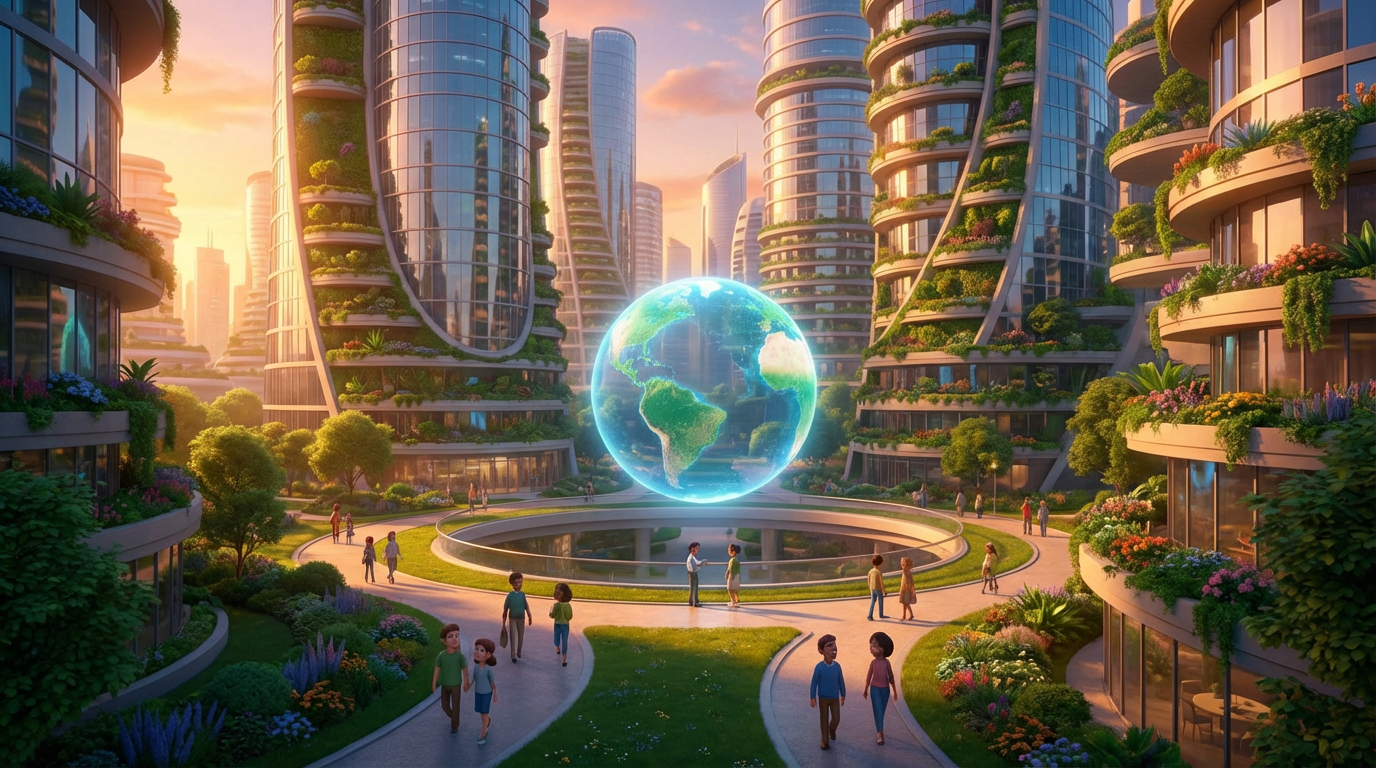
As we celebrate Valentine’s Day on February 14, 2026, many of us are reflecting on a different kind of love: our connection to the planet. Following the historic signing of the 2026 Global Climate Accord last month, the collective emotional landscape has shifted from pure dread to a complex mix of relief and intense pressure. While the pact outlines a rigorous path forward, the eco-anxiety recovery guide 2026 remains essential for those feeling overwhelmed by the scale of the transition ahead.
The psychological impact of the 2026 global climate pact is unique because it marks a transition from ‘if’ we will act to ‘how fast’ we can adapt. This shift has sparked a rise in climate resilience coaching for activists and everyday citizens who feel the weight of this new era. According to research into climate psychology, the move from policy to implementation can often trigger a secondary wave of stress as the reality of systemic change sets in.

Defining Radical Hope vs Climate Despair
In early 2026, we are seeing a clear distinction between passive optimism and radical hope. Radical hope is not about ignoring the data; it is about maintaining a commitment to a positive future despite the uncertainty of the outcome. This concept is vital for achieve your dreams in an era where environmental factors influence every part of our lives.
Managing climate dread after the 2026 summit requires us to acknowledge that our lives are changing. Unlike traditional anxiety, which often focuses on internal fears, eco-anxiety is a rational response to external global events. The Lancet Planetary Health studies suggest that community-based action is one of the most effective ways to mitigate this specific type of distress.
Radical Hope Strategies 2026: Building Fortitude
Building mental fortitude for the climate transition involves moving beyond individual worry and into collective resilience. Many are finding that online therapy is thriving because it allows people to connect with specialists who understand the nuances of climate-aware therapy without the need for long commutes.
-
Practice Active Hope: Focus on the vision of the world you want to create rather than just what you want to avoid.
-
Limit Information Overload: Curate your news intake to focus on progress reports and local implementation of the 2026 Accord.
-
Community Integration: Join local regenerative projects to see tangible evidence of change in your own neighborhood.
-
Digital Boundaries: Follow the principles of a digital detox to prevent doom-scrolling during high-news cycles.

Managing the Transition Stress
As the 2026 climate mandates begin to affect local economies, it is natural to experience financial stress. The transition to a green economy is a massive undertaking, and your mental wellness is a priority during this societal shift. Using science-backed resilience frameworks can help you stay grounded when the headlines feel overwhelming.
We must also consider the role of technology in our mental health journey. While AI helps us track carbon footprints, we must ensure we are using ethical digital tools that support our psychological well-being rather than heightening our surveillance anxiety.

Your Path Forward in 2026
The road ahead is long, but the 2026 Climate Accord has given us a map. By adopting radical hope strategies, you are not just surviving; you are participating in the most significant transformation in human history. Remember that seeking support is a sign of strength, and our team is here to provide the expertise you need to navigate these changing times with confidence and clarity.
