
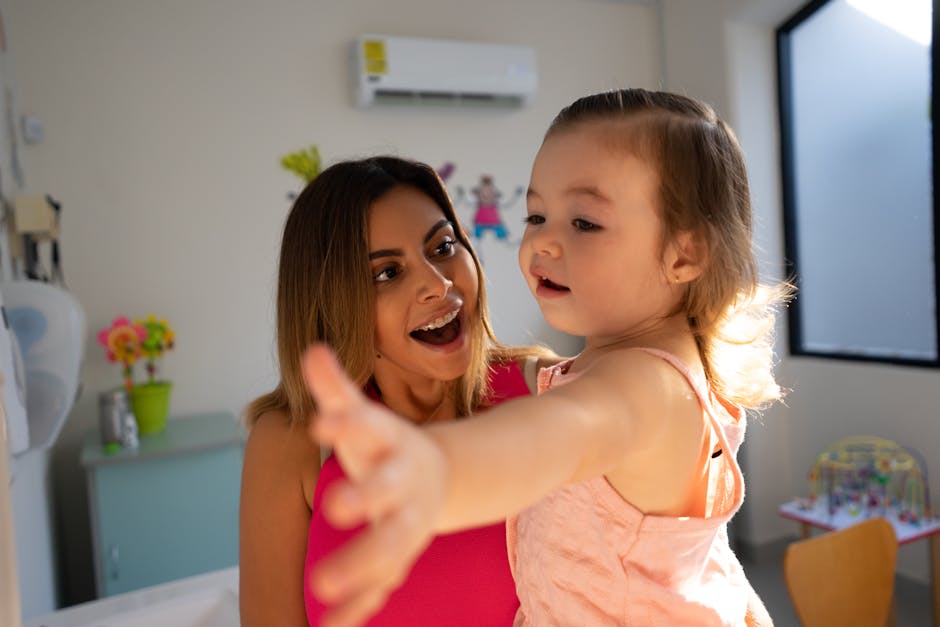
Ah, the sweet symphony of a child’s cries as you attempt to leave the room. If this sounds familiar, welcome to the club of parents navigating child separation anxiety. It’s a phase that can feel like a never-ending game of emotional tug-of-war, but rest assured, you’re not alone. In fact, according to a 2025 study by the Institute of Child Development, approximately 75% of children experience some form of separation anxiety between 8 months and 3 years old.
This isn’t just a fleeting moment of sadness; it’s a significant developmental milestone. Understanding the ‘why’ behind those tearful goodbyes is the first step to finding solutions. Let’s dive into the world of tiny dictators and their emotional demands, armed with a healthy dose of patience and a sprinkle of humor.

What Exactly is Separation Anxiety in Children?
At its core, separation anxiety is a normal part of development where children become distressed when separated from their primary caregivers. It typically peaks during toddlerhood but can manifest at various ages. It’s their way of saying, ‘Hey, you’re my safe space, and I’d prefer you not vanish into thin air!’
This isn’t a sign of bad parenting or a ‘spoiled’ child. Rather, it indicates a healthy attachment. Their brains are developing, and object permanence is still a work in progress. When you leave, in their little minds, you might as well have been beamed up by aliens.
Signs of Separation Anxiety in Kids: More Than Just Tears
- Crying, screaming, or throwing tantrums when a parent leaves or threatens to leave.
- Clinging to parents or other caregivers.
- Refusal to go to school or daycare.
- Difficulty sleeping alone or nightmares about separation.
- Physical symptoms like headaches or stomachaches when anticipating separation.
- Excessive worry about losing a parent or caregiver.
While these signs are common, it’s important to differentiate normal developmental separation anxiety from Separation Anxiety Disorder (SAD). SAD is a more severe and persistent form, often impacting a child’s daily functioning and lasting beyond typical developmental stages. If you suspect SAD, consulting with a pediatrician or child psychologist is crucial.
Toddler Separation Anxiety Solutions: Your Survival Guide
So, how do we navigate these emotional rapids without losing our sanity? The good news is there are plenty of strategies to help your little one (and you!) through this phase. Remember, consistency is key, and a dash of creativity goes a long way.
The Art of the Goodbye Ritual
Establish a consistent and brief goodbye ritual. This could be a special handshake, a quick hug and kiss, or a silly phrase. Predictability helps children feel secure. Avoid sneaking out; it can erode trust and make future separations even harder. A study from early 2026 highlighted that children with established goodbye rituals showed a 20% reduction in immediate separation distress.
Keep it short and sweet. Prolonging the goodbye only amplifies the anxiety. Think of it like pulling off a band-aid – quick and decisive is often best, even if it stings a little at first.

Gradual Exposure: The Slow and Steady Wins the Race
Start with short separations. Leave your child with a trusted caregiver for a few minutes, then gradually increase the time. This helps them build confidence that you will always return. Think of it as exposure therapy for tiny humans.
- Play peek-a-boo to reinforce object permanence.
- Leave the room for a minute, then return with a cheerful greeting.
- Have a trusted family member babysit for short periods.
- Practice leaving and returning even when you don’t have to.
Comfort Objects and Transitional Items
A favorite blanket, stuffed animal, or even a small photo of you can provide immense comfort. These transitional objects serve as a tangible link to you and home, helping your child feel more secure in your absence. Just make sure it’s something safe and allowed wherever they are going.
How to Help Child with Separation Anxiety: Communication is Key
Talk to your child about what’s going to happen. Use simple, reassuring language. ‘Mommy will be back after your nap time,’ or ‘Daddy will pick you up after you play with your friends.’ Avoid making promises you can’t keep, as this can worsen anxiety.
Validate their feelings without giving in to their demands. ‘I know you’re sad I’m leaving, and it’s okay to feel that way. I’ll miss you too, and I’ll be back soon.’ This teaches them that their emotions are valid, but you still need to go.

Managing Child Separation Anxiety at Daycare and School
Daycare and school drop-offs can be particularly challenging. Here’s how to make those transitions smoother, especially with the increased focus on early childhood mental health in 2026.
- Visit the new environment together multiple times before the first day.
- Allow your child to meet the teachers or caregivers.
- Talk positively about the new place and all the fun activities.
- Pack a familiar item from home, like a favorite book or toy.
- Communicate with the staff about your child’s anxiety and your goodbye routine.
Many childcare centers are now implementing ‘settling-in’ periods, allowing parents to stay for a short while on the first few days, gradually decreasing their presence. This phased approach, gaining traction since 2024, has shown promising results in reducing initial distress.

Parental Separation Anxiety: The Hidden Element
Let’s be honest, it’s not always just the kids who struggle. Parental separation anxiety is a very real phenomenon. Seeing your child distressed can trigger your own feelings of guilt, sadness, or even anxiety. This can inadvertently make your child’s anxiety worse.
Children are incredibly perceptive. If you’re stressed or hesitant during goodbyes, they will pick up on it. Your calm and confident demeanor can be incredibly reassuring to them. Remember, you’re teaching them resilience and independence.
- Practice self-care: Ensure you’re getting enough rest and managing your own stress.
- Trust your caregivers: Choose people you feel confident will care for your child well.
- Focus on the positives: Think about the developmental benefits your child gains from independence.
- Connect with other parents: Sharing experiences can be incredibly validating.
A recent survey from January 2026 indicated that parents who actively managed their own separation anxiety reported a 30% smoother separation experience with their children. Your emotional state truly matters!
When to Seek Professional Help
While most separation anxiety is a normal phase, there are times when professional intervention might be necessary. If your child’s anxiety is severe, persistent (lasting more than four weeks), and interferes with their daily life (e.g., refusal to attend school, inability to sleep alone), it might be a sign of Separation Anxiety Disorder (SAD).
- Anxiety that is disproportionate to the developmental level.
- Recurrent excessive distress when anticipating or experiencing separation.
- Persistent worry about losing major attachment figures or about harm befalling them.
- Reluctance or refusal to go to school or elsewhere because of fear of separation.
- Repeated nightmares involving the theme of separation.
Consult your pediatrician or a child psychologist if you have concerns. They can provide guidance, coping strategies, or recommend therapy if needed. Early intervention can make a significant difference.

The Light at the End of the Tunnel
Child separation anxiety, while challenging, is a temporary phase for most. It’s a testament to the strong bond you share with your child. By implementing consistent routines, practicing empathy, and managing your own emotions, you can help your child navigate this developmental hurdle with greater confidence.
Remember to celebrate the small victories – the slightly less tearful goodbye, the longer independent play session. Each step forward is a win for both of you. You’re not just surviving; you’re building a foundation of security and resilience that will serve your child for years to come. Keep calm and parent on!
