Children often struggle to articulate their thoughts and feelings verbally, especially when dealing with big emotions like sadness, anger, or anxiety. In January 2026, experts continue to highlight the critical role of emotional literacy in child development. Fortunately, art offers a universal language, providing a safe and effective pathway for helping children express their feelings through art. Engaging in creative art activities for emotional development not only allows kids to externalize their internal world but also helps them process experiences and develop crucial coping mechanisms.
This comprehensive guide explores 15 practical and engaging methods to encourage emotional expression through art. These techniques are beneficial for all children, whether they are navigating everyday ups and downs or dealing with more significant challenges. By integrating art therapy for kids emotions into their routines, parents and educators can empower children to understand and manage their emotional landscape more effectively.
The Power of Art in Emotional Development
The connection between children’s art and feelings is profound. Art offers a non-threatening medium where there are no right or wrong answers, reducing performance anxiety. This freedom encourages authentic self-expression. According to a 2025 study on child mental health trends, creative outlets like art are increasingly recognized as vital tools for early intervention and emotional regulation through art for children.

Through various art techniques for kids emotions, children can symbolize their experiences, giving form and color to abstract feelings. This process of externalization allows them to observe their emotions from a distance, making them less overwhelming. It also provides an opportunity for adults to gain insight into a child’s emotional state, facilitating communication and support.
15 Creative Ways to Help Children Express Feelings Through Art
1. Emotion Masks
Provide plain paper plates, craft sticks, and a variety of art supplies. Ask children to create masks representing different emotions like happy, sad, angry, or surprised. They can then use these masks to act out or discuss scenarios, helping them understand emotional cues.
2. Feeling Monsters or Creatures
Encourage children to draw or sculpt ‘feeling monsters.’ Each monster can embody a specific emotion, complete with colors, shapes, and features that reflect that feeling. This creative ways kids emotional expression activity helps children personify and therefore better understand their emotions.
3. The Weather Report of My Feelings
Using paper and drawing materials, have children depict their current emotional state as a weather forecast. Are they feeling sunny and bright, stormy and angry, or cloudy and sad? This metaphor offers a gentle way to discuss their internal climate.
4. Scribble Art for Stress Release
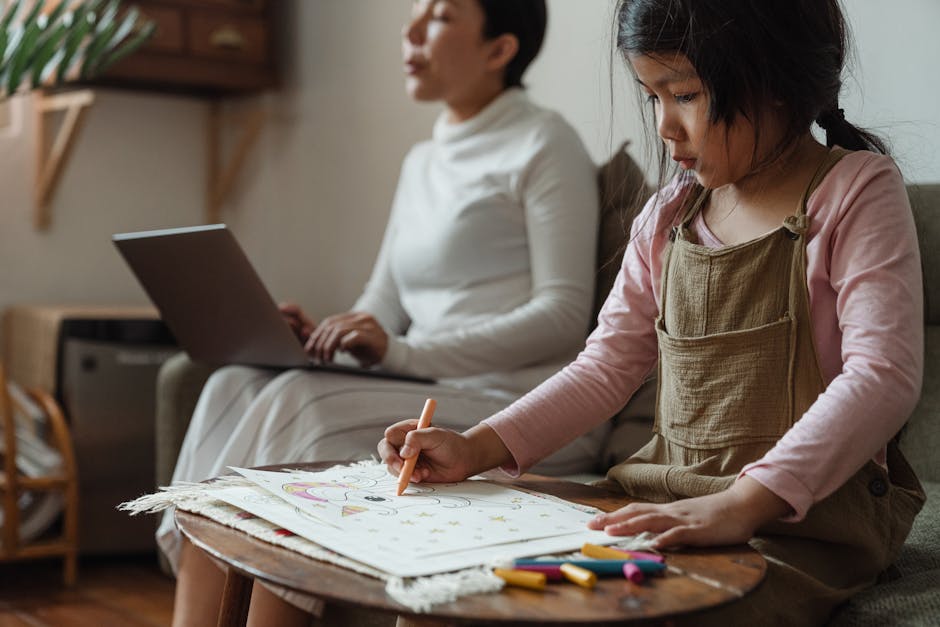
Give children a large piece of paper and crayons or markers. Instruct them to scribble freely and energetically, letting out any pent-up energy or frustration. After scribbling, they can look for shapes or images within the scribbles and turn them into a more detailed drawing, transforming chaos into creation.
5. Emotion Color Wheel
Assign a specific color to different emotions (e.g., red for anger, blue for sadness, yellow for happiness). Children can then create an artwork using only the colors that represent how they are feeling at that moment. This activity strengthens the link between children’s art and feelings.
6. Storytelling Through Drawing
Ask children to draw a story about something that happened to them, focusing on how they felt at different points in the narrative. This sequential art helps them organize their thoughts and process experiences visually, a key aspect of expressive art for child mental health.
7. Clay or Playdough Sculptures of Feelings
The tactile nature of clay or playdough can be incredibly therapeutic. Encourage children to sculpt how a feeling looks or feels. The act of molding and manipulating the material can be very calming and expressive.
8. Handprint Emotion Art
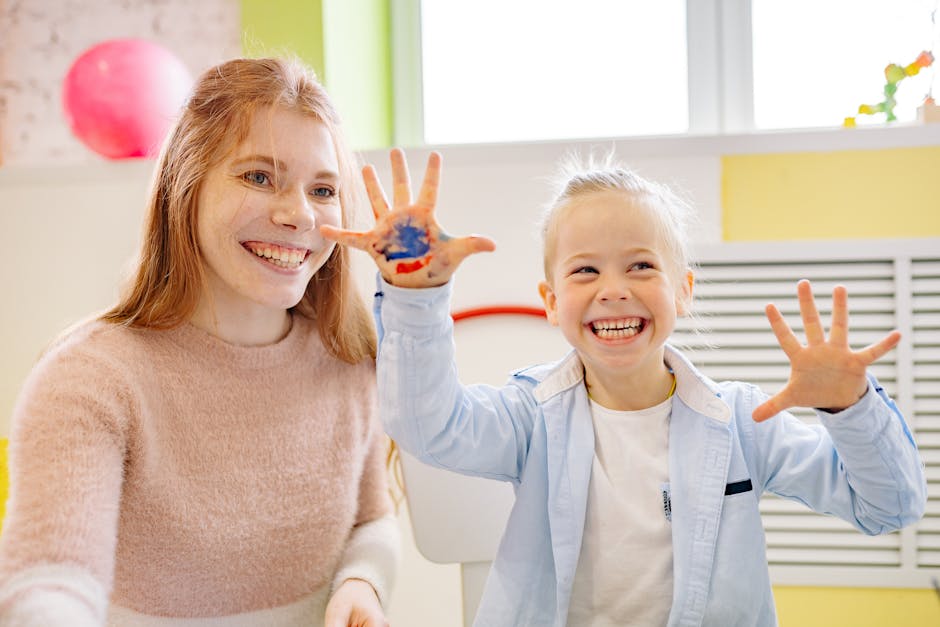
Children can dip their hands in paint and make prints on paper. Each handprint can then be decorated to represent a different emotion, adding faces, patterns, or scenes. This personalizes the expression of feelings.

9. Collaborative Feeling Murals
On a large sheet of paper, invite multiple children to contribute drawings or symbols representing their feelings. This collective art project fosters empathy and helps children see that others also experience a range of emotions, promoting social-emotional learning.
10. Music and Movement Painting
Play different types of music (calm, energetic, melancholic) and encourage children to paint or draw whatever comes to mind as they listen and move. This multi-sensory approach can unlock deeper emotional responses and is a great example of art therapy for kids emotions.
11. ‘Inside-Outside’ Drawings
Ask children to draw two pictures: one showing how they look or act on the outside, and another showing how they feel on the inside. This can be particularly helpful for children who mask their feelings or struggle with self-perception.

12. Mandala Art for Calm
Mandalas are circular designs that can be colored or created from scratch. The repetitive and symmetrical nature of mandala creation is known to be meditative and calming, making it an excellent art activity for emotional development and anxiety reduction.
13. Found Object Art
Gather various natural or household objects (leaves, buttons, fabric scraps). Ask children to arrange these objects on paper to represent an emotion or a recent experience. This collage-like activity encourages creative problem-solving and symbolic expression.
14. Puppet Making and Storytelling
Children can create simple puppets from paper bags, socks, or craft materials, each representing a feeling. They can then use these puppets to act out scenarios, express difficult emotions through a character, or even practice social skills. This is a powerful art therapy for kids emotions technique.

15. The ‘Safe Place’ Drawing
Encourage children to draw or paint their ideal ‘safe place’ – a place where they feel completely secure, calm, and happy. This activity helps them visualize and connect with feelings of peace and can be a valuable tool for self-soothing and emotional regulation through art for children.
Tips for Facilitating Emotional Expression Through Art
- Provide a variety of materials: Offer crayons, markers, paints, clay, collage materials, and different paper types to cater to diverse preferences and expressive needs.
- Create a safe and non-judgmental space: Emphasize that there are no ‘right’ or ‘wrong’ ways to make art. Focus on the process, not the product.
- Encourage discussion (but don’t force it): After the art activity, you might ask open-ended questions like, ‘Tell me about your drawing,’ or ‘What does this color make you feel?’ Avoid leading questions.
- Model emotional expression: Share your own feelings appropriately and how you cope with them. Children learn by example.
- Be present and observe: Pay attention to the colors, shapes, and themes in their artwork. These can offer valuable insights into their emotional state.
- Focus on the process, not just the outcome: The act of creating is often more therapeutic than the final piece itself. Celebrate their effort and engagement.
Conclusion
Helping children express their feelings through art is a powerful and accessible strategy for fostering emotional intelligence and resilience. By incorporating these creative art activities for emotional development into their lives, we provide children with invaluable tools for understanding themselves and navigating the complexities of their emotional world. Remember, the goal is not to create masterpieces, but to open channels for communication, processing, and healing. Encourage your child to explore these art techniques for kids emotions and watch as they discover the profound benefits of creative self-expression.
Empower the children in your life today by embracing the transformative power of art. Start with one of these activities and observe the positive impact on their emotional well-being.
